

Whether you love the RV life, traveling across the country for a vacation or full time, or you are a proud tiny-home owner looking for a place to stay, chances are you’ve encountered both RV parks and tiny home communities. At first glance, they might look very similar but they are different and do cater to unique needs. Zook Cabins is excited to take you along as we explore the differences, similarities, and helpful information about both of them. Ready to dwell beyond the ordinary?
What is the difference between a Tiny Home Community and RV Park?

To start off, let’s get our terms straight. What is the actual difference between a tiny home community and an RV park? There are several differences, but the main distinction is that RV parks are designed for those living in movable, recreational vehicles while tiny home communities are geared for long-term living, particularly for tiny homes on wheels. That sounds simple, but let’s look at it some more.
An RV park is primarily intended for recreational vehicles, travel trailers, and motorhomes designed to remain mobile. This means many RV parks cater to short-term or seasonal guests, although some also offer monthly or long-term sites. Utilities are typically connected through temporary hookups, and the park may include some amenities like laundry, bath houses, welcome centers, and more for an enjoyable vacation experience.
A tiny home community, on the other hand, is specifically planned for tiny houses and full-time residential living. These homes are built on wheels, making them transportable. Tiny home communities are designed to feel like everyday living with individual lots, permanent utility connections, community spaces, and longer-term leases or homeownership options.
| Tiny Home Community | RV Park |
| Full-time or long-term living | Short-term or seasonal stays |
| Tiny homes | RVs, campers, and motorhomes |
| May be movable or permanent | Designed to remain movable |
| Wheels or permanent foundation | No permanent foundation |
| Often permanent utility connections | Usually temporary hookups |
| Residential-style lots | Campsites or RV spaces |
| Homeowners or long-term renters | Travelers or seasonal residents |
| Residential zoning and building codes | RV park or campground regulations |
| Neighborhood-style community | Travel and recreation-focused |
Do All RV Parks Allow Tiny Homes?

Tiny homes are not allowed in every single RV park. However, some RV parks do allow certain kinds of tiny homes for long-term parking, including park models that are built to RVIA certification. The easiest way to find out is to call the RV park, explain that you have a RVIA certified new home and you are looking for long-term parking. This will clear up some of the confusion when the park workers hear the word “tiny home” and think it’s not allowed.
To clarify, there are a variety of structures within the world of tiny homes. A “tiny home” could refer to:
- A park model home
- A custom tiny house on wheels
- Modular Homes (like our Log Cabins and Modern Cabins)
- Manufactured home (like our Luxury Mobile Homes)
Many RV parks are more willing to accept a park model with an RV Industry Association seal because the seal shows that the manufacturer participates in RVIA’s standards-compliance and inspection program. In contrast, a home that is marked for permanent residence, will not usually be allowed in an RV park.
Do All Tiny Home Communities Allow RVs?

No, however it is a little nuanced.
Not all tiny home communities allow traditional RVs, such as pull-behind campers. However, many tiny homes are built to RVIA standards, which means they are technically classified as RVs, even though they look and function more like permanent homes than conventional RVs.
Yet some properties combine an RV resort with a separate tiny-home community. The Oaks on 37 in Texas, for example, provides RV sites and tiny home lots within the same development. However, the two sections operate separately, so an RV approved for the resort area would not be allowed on a lot reserved for tiny homes.
As always, remember that rules vary by community and may depend on local zoning laws and whether the property is approved for permanent residential use. We recommend you always review the community’s rules before purchasing a home or reserving a site.
What Types of Tiny Homes, RVs, and Other Structures Are Allowed in Tiny Home Communities and RV Parks?
RV parks generally allow vehicles designed for travel or temporary living, while tiny home communities are more likely to accept structures intended for long-term residential use. For a comprehensive list that includes specific models, check out this table below.
| Type of Structure | Commonly Allowed in RV Parks? | Commonly Allowed in Tiny Home Communities? |
| Motorhomes | Yes | No |
| Travel trailers | Yes | Usually not |
| Fifth-wheel RVs | Yes | Usually not |
| Truck campers and pop-up campers | Often | Rarely |
| Destination trailers | Often | Sometimes |
| Park model RVs | Often, especially in long-term RV parks | Often, depending on local zoning |
| Tiny homes on wheels | Sometimes, if properly certified | Often, although certification may be required |
| Site-built tiny homes on permanent foundations | Rarely | Yes |
| Converted buses or vans | Depends on the park’s rules | Rarely |
| Homemade or uncertified tiny homes | Frequently restricted | Sometimes, but inspections may be required |
| Cabins, yurts, and container homes | Usually only as park-owned rentals | Sometimes, when approved for residential use |
What Features and Amenities Are Commonly Included in RV Parks?
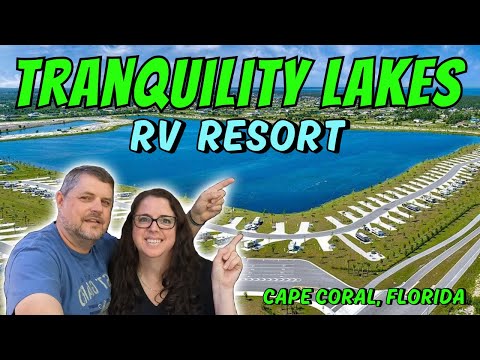
RV parks are great for vacations and those looking for a relaxed way of living, or a peaceful way to enjoy retirement. There are often many amazing amenities included in RV parks, including, but not limited to:
- Full water, sewer, and electrical hookups
- Pull-through and back-in RV sites
- Restrooms and shower facilities
- Laundry facilities
- Dump stations
- Wi-Fi access
- Picnic tables and fire rings
- Pet-friendly areas
- Playground equipment
- Camp stores
- Walking trails
- Community rooms
- Swimming pools
- Outdoor gathering areas
- Security gates or on-site management
If you stay at a higher-end RV resort, you may also enjoy the luxuries of:
- Oversized, paved RV sites
- Private patios or outdoor kitchens
- Heated pools and hot tubs
- Fitness centers
- Clubhouses and event spaces
- Pickleball, tennis, or basketball courts
- Golf courses or putting greens
- Restaurants, cafés, or poolside bars
- Private dog parks and pet-washing stations
- Organized social activities
- Boat docks or waterfront access
- On-site RV washing and maintenance services
- Luxury cabins or guest accommodations
What are the pros and cons of an RV park?
One of the biggest advantages of an RV park is flexibility. Residents can often choose between nightly, weekly, monthly or seasonal stays. If you want to spend the winter in a warmer climate or relocate periodically, an RV park may fit that lifestyle better than a permanent tiny home community.
RV parks are also widely available. You can find them pretty much anywhere which is great for traveling.
The tradeoff is that RV parks are not always designed for permanent residential life. Sites are often narrow with limited privacy, plus monthly prices typically increase during peak travel seasons.
You may also have little control over the site itself. There aren’t typically options for having your own deck or permanent outdoor setup, which could be a downside if you plan to stay awhile.
| Pros | Cons |
| Flexible stay lengths | Full-time residency may not be allowed |
| Easy to relocate | Limited privacy between sites |
| More locations available | Monthly rates may change seasonally |
| Utilities are often ready to connect | Electricity may cost extra |
| Resort amenities may be available | Additions and exterior changes are limited |
| Lower commitment than buying land | You normally do not build equity in the lot |
| Good for travel and seasonal living | Shared internet may be unreliable |
What Features and Amenities Are Commonly Included in Tiny Home Communities?

Tiny home communities sometimes offer perks that RV parks don’t have, since they are centered on providing full-time living for people. The biggest appeal for most people is the sense of community and neighbor connections, which can be formed in close settings without the overwhelm of a large community. Other perks include:
- Water, sewer, and electrical connections
- Private or designated home sites
- Roads, sidewalks, and parking areas
- High-speed internet access
- Community gardens
- Walking trails
- Fire pits and picnic areas
- Dog parks or pet-friendly spaces
- Shared laundry facilities
- Community rooms or clubhouses
- Mail and package areas
- Outdoor gathering spaces
- Playground equipment
- On-site management
- Landscaping and common-area maintenance (no more needing to mow your lawn!)
Can I Have A Tiny Home Community in an RV Park?

It is very unlikely unless it is for a mixed-use case.
As mentioned earlier, RV parks don’t typically allow tiny homes on permanent foundations or those not built to RVIA certification. The reason is because RV parks are designed for temporary use. The exception would be a split-purpose facility where RV parking is in one section and a tiny home community is in another section.
What are the pros and cons of a tiny home community?
Tiny home communities are often better suited to people who want a smaller home without giving up the stability of a neighborhood. You can experience the joys of community without the fast pace and expectations of a busy lifestyle in a large home and neighborhood.
Residents in tiny home communities often have a designated yard, permanent utility connections and neighbors who remain in the community throughout the year. Some developments also allow residents to personalize their outdoor space with custom patios, sheds, carports, and gardens.
Tiny homes themselves are also more spacious and homey than the traditional RV, which is great if someone isn’t quite ready to downsize all the way down.
The disadvantage is that tiny home communities are still relatively limited in many areas. Even when a community exists, lot rent may be higher than expected. Residents may own the house while continuing to rent the land beneath it.
Financing and resale can also be more complicated. A buyer may need to qualify for the community, and a tiny home built for one location may not be legal or practical to move somewhere else.
| Pros | Cons |
| Close-knit community | Limited availability |
| More stable than RV living | Monthly lot rent |
| Private yard space | May not own the land |
| Permanent utility hookups | Community restrictions |
| More spacious than an RV | Financing can be difficult |
| Good for year-round living | Harder to resell or relocate |
Do RV Parks or Tiny Home Communities Have Better Lot Rent?

This is hard to answer clearly, since neither option is consistently cheaper. Published rates show that long-term RV sites can cost anywhere from about $700 to more than $1,600 per month, depending heavily on location, season and amenities. For example, Galveston Island KOA lists 2026 extended-stay rates of $699 to $1,049 per month, while Virginia Beach KOA charges $950 to $1,650 per month. Electricity may be included at some parks but metered separately at others.
Published tiny home community rates are often within a narrower range. For example, if you already own your tiny home and want a place to settle down, Orlando Lakefront lists their prices as of mid 2025 for lot leases of $675 to $875 per month. Or they provide options for renting out one of their existing units long-term at the approximate cost of $1,500 to $2,300 monthly.
Acony Bell Tiny Home Community is another tiny home community where you can buy their listed tiny homes, then pay approximately $750 in monthly lot rent, according to July 2026 prices. Acony Bell includes water, sewer, trash collection and common-area maintenance, but residents pay separately for electricity and internet.
To calculate your actual fees, think about all the fees that will add up, not just the rent. Lot rent + utilities + propane + insurance + internet + laundry + storage + pet fees + community fees = actual monthly housing cost.
Can I own the land my tiny home is on in an RV Park or Tiny Home Community?

Yes, it is possible to own the land in either type of community, but it is not the most common arrangement; lot rental is definitely more traditional.
There are some communities offering ownership and they typically sell individually deeded lots, allowing you to own the parcel while following the development’s HOA rules and property restrictions. The Reserve at Barefoot Landing in North Carolina, for example, plans 111 deeded lots alongside 31 long-term leasehold sites. Mountain Breeze RV Estates in Alabama sells 4,000- to 5,500-square-foot deeded lots for RVs and tiny homes. Smith Lake RV & Home Resort also sells rather than rents its sites, with recent deeded-lot listings of $174,900 and $219,900.
What Does Lot Rent Typically Include at an RV Park or Tiny Home Community?

Lot rent normally covers the right to use the site and shared areas of the property, including the available amenities of the facility. It may also include some utilities and basic maintenance. Because services and amenities vary so much by the kind of park or community it is, we recommend always contacting the one you are interested in directly, to find out what they offer.
RV Park
At an RV park, the base rent normally pays for a designated parking pad and access to the utility connections installed at that site. A full-hookup RV site generally has connections for potable water, sewer and 30-amp or 50-amp electricity is about $1,500-$3,500 per month. Water and sewer are frequently bundled into monthly RV lot rent because individual water and sewer usage may not be separately metered. Trash service and property maintenance are also commonly included as a property-wide service.
If you are a nightly guest, it is common practice to include electricity in the nightly rent. However, if you are paying a monthly fee, many RV parks will charge an additional electric bill. This varies by park.
Tiny Home Community
When it comes to a tiny home community, lot rent functions more like a land lease, since you may own your tiny home, but are renting the land beneath it. The rent will often cover water and sewer, plus trash services. Additionally, the rent helps the facility keep up with all of the property maintenance and amenity fees.
Tiny home communities vary in what they offer, but here is an example from Lake Dallas Tiny Home Village which states that, “Lot rents range from $700-$750 and includes water, sewer, trash, mowing and minor weedeating of each lot and the washateria.” Other tiny home communities may also offer repair services as part of the lease agreement.
Electricity is commonly the responsibility of the residents through individual meters, just like in a traditional home.
Can I rent out my Tiny Home on Airbnb in a Tiny Home Community or RV Park?
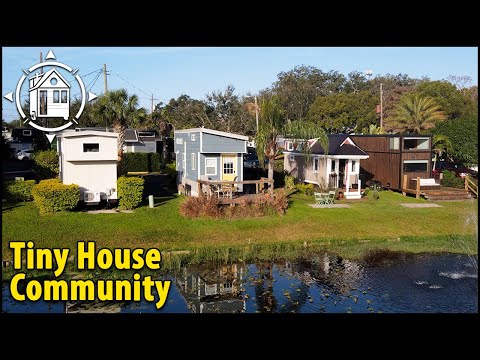
Possibly, but short-term rentals are often restricted.
Even when you own the home, tiny home communities typically prohibit rentals lasting fewer than 30 days. Some communities allow long-term tenants but do not permit nightly vacation rentals. Others require homeowners to use a community-managed rental program.
Zoning laws and rental agreements also play in this discussion, making it a whole conversation with multiple moving pieces. The ultimate decision is up to the park or community guidelines, so that’s the first place you would need to start.
Do I have to pay taxes at a Tiny Home Community or RV Park?

That depends on what land option you have.
If you own land and the home is treated as permanent real estate, you often have to pay property tax. When you rent the site, the property owner generally pays taxes on the land and accounts for that expense when setting lot rent.
An RV or movable tiny home is also subject to vehicle registration fees or sales tax, which can definitely add up.
If you rent out your unit on Airbnb, that income is generally taxable. Short-term rentals may also be subject to local lodging or occupancy taxes.
Do Tiny Home Communities or RV Parks Have Better Utility Connections?

RV parks are designed around temporary, standardized utility connections. A full-hookup RV site generally provides a potable-water connection, sewer connection and either 30-amp or 50-amp electrical service.
These hookups are convenient because the RV can be disconnected and moved. However, the system may not provide the same capacity or winter protection as a residential utility connection.
Tiny home communities typically use residential systems. A foundation-based tiny home may have a hardwired electrical panel, buried water line and permanent sewer or septic connection. This can be more practical for year-round living, especially in colder climates.
| Utility Feature | RV Parks | Tiny Home Communities | Which Is Better? |
| Water | Detachable hose connection | Buried or permanent water line | Tiny home community |
| Sewer | Flexible RV sewer hookup | Permanent sewer or septic connection | Tiny home community |
| Electricity | Usually 30- or 50-amp service | Residential electrical panel | Tiny home community |
| Ease of Moving | Quick to disconnect | Designed to remain in place | RV park |
| Cold-Weather Use | More vulnerable to freezing | Better insulated and protected | Tiny home community |
| Short-Term Convenience | Simple, ready-to-use hookups | May require permanent installation | RV park |
| Year-Round Reliability | Varies by park and climate | Usually more dependable | Tiny home community |
| Overall | Best for temporary or mobile living | Best for permanent living | Depends on your specific needs |
How Do I Choose Between A Tiny Home Community and an RV Park?
The best choice depends on how you plan to use the home. There isn’t a right or wrong answer, it comes down to what fits your needs.
An RV park may be the better option when mobility and flexibility are your priorities. It can work well for seasonal residents, travelers and people who want to try small-space living without purchasing land.
A tiny home community may be more appropriate when you want a permanent home, residential utilities and a neighborhood atmosphere. It may also provide more freedom to personalize your outdoor space.
Before making a decision, ask yourself:
- Do I want to remain in one location?
- Is this my primary residence or a seasonal home?
- Do I need a permanent mailing address?
- Will I eventually want to sell the home while leaving it on the site?
- How important are a yard, porch and storage?
- Am I comfortable renting land indefinitely?
- Do I need reliable residential internet?
- Does the community permit my children, pets or planned additions?
The answers to these questions will drive the ultimate decision you make. We recommend talking to people who’ve experienced both of these lifestyles, to get an idea of what they are actually like.
Can You Live Full-Time in an RV Park or Tiny Home Community?

Yes, these are very real possibilities!
Many RV parks allow residents to remain throughout the year. Others limit stays to a certain number of days or require residents to leave periodically. The park may be allowed to host extended-stay guests without being approved as a permanent residential neighborhood.
Tiny home communities are designed to support full-time residency, especially when the property has residential zoning and the homes receive certificates of occupancy.
Before treating either property as your permanent home, you need to confirm these 5 things:
- Full-time occupancy is allowed by local zoning.
- Your home is approved for residential use.
- The community does not impose a maximum stay.
- Your insurance covers full-time occupancy.
- Utilities are available throughout the year.
Are Tiny Home Communities or RV Parks More Pet-Friendly?
RV parks often cater more to travelers with dogs and may include fenced dog parks or pet-washing stations. However, the small lot sizes can make it difficult to give larger dogs enough outdoor space.
Tiny home communities may be more practical for long-term pet ownership because they are more likely to offer private yards or permit fencing. However, these communities may have restrictions on which pets are allowed for insurance purposes.
If you’re a pet parent, make sure you review the written pet policy for information about deposits, monthly fees, leash requirements and outdoor kennels. A property advertised as pet-friendly may allow one small dog while prohibiting larger breeds.
Which Offers More Freedom for Add-Ons, Tiny Home Communities or RV Parks?

Tiny home communities generally offer more flexibility for add ons like porches, patios, and storage buildings. Because residents are staying long-term, they are often allowed to personalize their homes more, including exterior landscaping improvements like vegetable or flower gardens. It is also common to have a deck with outdoor furniture, lights, etc.
The community will usually have a list of rules residents must follow and any add ons must fall under the approved guidelines. Some communities allow the add ons if residents request the upgrades in writing.
In contrast, RV parks often restrict permanent improvements since sites must maintain access to utilities and setback areas, and the RV needs to remain movable. Those parking in an RV lot are usually allowed to string up some simple outdoor lights and have some outdoor furniture outside their unit. However, permanent fixtures like decks, concrete patios, or fencing are typically outlawed.
If you are in an RV park designed for long-term living, the rules may permit a removable deck or small storage shed. To confirm what is allowed, check with your specific park.
| Add-On | RV Park | Tiny Home Community |
| Removable steps | Commonly allowed | Commonly allowed |
| Small patio | Sometimes allowed | Often allowed |
| Permanent deck | Frequently restricted | May be allowed |
| Storage shed | Often restricted | Sometimes allowed |
| Fence | Uncommon | May be allowed |
| Garden | Usually limited | More common |
| Carport | Rare | May be allowed |
| Room addition | Usually prohibited | Requires permits and approval |
Are Tiny Home Communities Or RV Parks Better for Long-Term Living?
For most people seeking a permanent primary residence, a legally approved tiny home community is the stronger option.
Tiny home communities are more likely to provide stable neighbors, residential utilities, private outdoor space and long-term leases. The homes may also be better insulated and designed for continuous occupancy.
An RV park may be a better long-term choice for someone who still values mobility. Retirees who spend six months in one state and six months in another may prefer an RV park even though they remain at each location for an extended period.
Are Tiny Home Communities or RV Parks Better For Families?
Tiny home communities are generally more practical for families who plan to remain in one location.
A residential community is more likely to provide a permanent address, school-district access, safe walking areas and consistent neighbors. Families may also have more room for outdoor storage, toys and play areas.
RV parks can work well for traveling or homeschooling families, but the rules require closer attention. Some parks limit the number of occupants per site or are designed primarily for adults and retirees.
Family Community Checklist
- Children are permitted as full-time residents.
- The occupancy limit fits your household.
- Roads and common areas are safe for children.
- Reliable internet is available.
- Laundry and storage needs can be met.
- The address can be used for school enrollment.
- Emergency vehicles can access the property.
- The home has enough sleeping and living space.
Are Tiny Home Communities or RV Parks Better For Retirees?
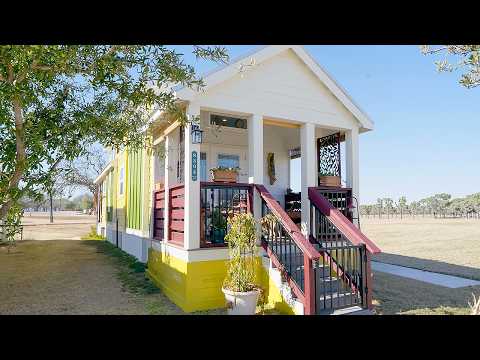
Both can be excellent retirement options, but they support different lifestyles.
If you’re a retiree who wants to travel and spend winters in a warmer climate, an RV park will be best for you.
A tiny home community is better for retirees who want to downsize without giving up a permanent neighborhood. Tiny home communities offer practical things like landscaping maintenance and repair assistance, so retirees don’t have to take care of this themselves.
| RV Parks | Tiny Home Communities |
| Best for retirees who want to travel | Best for retirees who want a permanent home |
| Easy to move seasonally | More stable year-round |
| Good for snowbirds | Better for long-term neighborhood living |
| Smaller, more compact living space | More residential comfort and space |
| Neighbors may change frequently | More consistent neighbors |
| RV maintenance is still required | Landscaping or maintenance may be included |
| Can be harder to navigate with limited mobility | Often easier to adapt for aging in place |
Summary: RV Park Vs Tiny Home Community
Now that you’ve considered all the factors involved in living in either a RV park or tiny home community, Zook Cabins hopes you have the tools and knowledge base to confidently choose what works best for your unique needs. As mentioned, an RV park is usually the better fit for people who value travel and flexibility since it allows residents to move more easily and often provides shorter commitments.
If you are pursuing a relaxed, slower lifestyle without compromising on comfort or community, a tiny home community just might be the best fit. Of course, you’ll first need a beautiful new tiny home/park model to fit this lifestyle!
Contact Zook Cabins today to learn more about all diverse selection of tiny homes or request a free quote on any of them. Our team is thrilled to help you find the home of your dreams.
