

You found the perfect piece of rural land for your modular home. There’s just one challenge: getting connected to a municipal sewer system. In remote areas, extending sewer lines to your property can cost hundreds of thousands of dollars.
A septic system can offer a much more practical solution. Even on the higher end, a residential septic system may cost around $25,000 to install, making it a far more attainable option for many rural properties.
So, where do you start?
In this guide, we’ll walk you through the essentials of septic systems, from determining whether your land can support one to understanding installation, maintenance, and ongoing costs. If you’re planning to place a modular home on undeveloped land, a septic system may be the right solution for bringing your property to life.
Do All Modular Home Properties Need a Septic System?

The simple answer is no, not every modular home needs a septic system.
What every modular home does need, however, is a way to move wastewater away from the home. In urban and suburban areas, that often means connecting to a municipal sewer system. If you’re building on a rural or undeveloped property, though, a municipal connection may not be available. And even if it is, extending sewer lines to a remote property can be a significant expense.
That’s where a septic system can make sense. A private septic system allows your home to manage wastewater on your own property, making it a common solution for rural modular homes.
So, while a septic system isn’t required for every modular home, you will generally need either an approved septic system or a connection to a municipal sewer system. If you’re considering a modular home on undeveloped land, understanding your property’s wastewater options should be one of the first steps in the process. Local regulations, soil conditions, and the size and location of your home can all affect which solution is right for your property.
How Much Do Septic Systems Cost for Modular Homes?
There is no single price for installing a septic system. The cost can vary based on the number of bedrooms in your home, the type of system required, and the conditions of your property. To make the ranges below easier to understand, the pricing is based on a three-bedroom, two-bathroom home.
Think of these numbers as a starting point for planning your budget, not a quote. They cover the cost of septic system installation but do not include permitting, soil testing, or other site-specific expenses that may come into play. Your actual cost will depend on the requirements of your property, your local municipality, and the type of system that ultimately makes the most sense for your home.
| Septic System | Cost |
| Conventional | $8,019 |
| Aerobic | $13,500 |
| Mound | $9,000-$18,000 |
| Drip | $8,000-$18,000 |
| Holding | $6,500-$8,000 |
What Septic System Options Are Available For Modular Homes?
When you’re building a modular home without access to municipal sewer, a septic system can provide a practical way to manage wastewater on your property. But septic systems aren’t one-size-fits-all. There are several types available, and the right option will depend on the conditions of your land.
Your local permitting authority or health department will typically determine which systems are approved for your property. Factors such as soil type, location, available space, property characteristics, and local regulations can all influence which septic system is suitable for your modular home.
Before choosing a system, it’s important to understand what your property can support and which options are permitted in your area. This can help you plan your modular home, septic system, and site work together from the start.
Conventional System Septic Systems For Modualr Homes
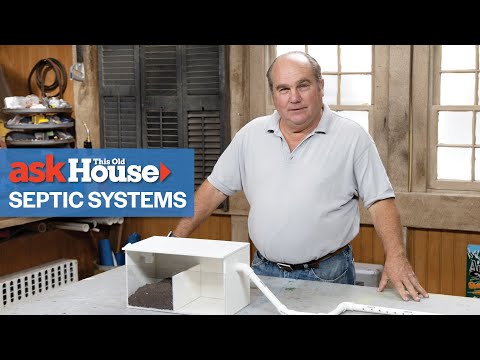
A conventional septic system is one of the most common types of septic systems used for residential properties. It uses an underground septic tank to collect household wastewater and solid waste, allowing solids to settle while liquid wastewater separates and moves toward the drainfield. From there, the wastewater is distributed through a gravel drainage area, where it gradually filters into the surrounding soil. The soil helps naturally treat the wastewater as it moves through the ground, making a conventional system a straightforward option for properties with suitable soil and adequate space for a drainfield.
Aerobic Treatment Septic Units For Modular Homes

Aerobic septic systems are a more advanced and mechanically complex option for treating household wastewater. Unlike conventional septic systems, aerobic systems actively introduce oxygen into the treatment tank. An aerator pumps oxygen into the wastewater, creating an environment that supports naturally occurring bacteria and other microorganisms.
These microorganisms use the oxygen to break down organic material more efficiently as part of the wastewater treatment process. The additional aeration can provide a more active level of treatment than a conventional system.
Because aerobic systems rely on mechanical equipment, they have more components and typically cost more to install and maintain. An aerobic system may include an aerator, pumps, controls, and other equipment needed to support the treatment process.
Aerobic systems can be useful when site conditions or local regulations make a conventional system unsuitable. However, they require regular maintenance to keep the equipment operating properly. A qualified septic professional can help determine whether an aerobic system is appropriate for your property.
Sand Mound Septic Systems For Modular Homes

A mound septic system is designed for properties where traditional septic systems may not work well because of soil conditions, shallow bedrock, or a high water table. Instead of placing the drainfield entirely underground, a mound system creates a raised area above the natural ground. Wastewater is pumped into the sand mound, where it is distributed through the soil and gradually filters into the surrounding ground.
The sand provides additional treatment and helps wastewater move through the system when the existing soil does not provide enough depth or drainage for a conventional drainfield. Mound systems are relatively common in areas with heavy clay soils, shallow groundwater, or other challenging site conditions.
Because the system is raised above the natural grade and may require pumps and additional materials, installation can be more involved and expensive than a conventional septic system. Local soil conditions and permitting requirements will determine whether a mound system is appropriate for a particular property.
Drip Distribution System

A drip distribution system uses an advanced treatment system, often paired with an aerobic treatment unit, to clean wastewater before it reaches the drain field. The treated wastewater is then pumped from a dosing tank through a network of small tubing buried just below the surface. Tiny emitters, typically spaced 18 to 24 inches apart, slowly release the wastewater into the soil, allowing it to be evenly dispersed across the drain field.
Because the wastewater receives additional treatment before being distributed, drip distribution systems can often be installed in shallower trenches than conventional drain fields. They are a great option for properties with challenging soil conditions or limited space, where a traditional septic system may not be approved.
These systems are especially helpful if your area has a high bedrock level, or you are restricted to a small lot.
Holding Tanks
Holding tank systems contain wastewater rather than discharging it into a drainfield or leach field. The wastewater is stored in a sealed tank until it can be pumped out and transported for proper disposal. Because these systems do not rely on the surrounding soil to treat and absorb wastewater, they can be an option for properties where traditional septic systems are difficult to install.
One of the biggest considerations with a holding tank is how frequently it needs to be emptied. The pumping schedule depends on tank size, household water usage, and the amount of wastewater produced. Frequent pumping can also make these systems more expensive to operate over time.
Another important consideration is approval. Holding tanks are not automatically permitted everywhere, and local health departments or permitting authorities may have specific requirements. Before choosing this type of system, check with your local authority to determine whether a holding tank can be approved for your property.
Can My Land Be Denied Approval for A Septic System?

Yes, it is possible for a property to be denied approval for a septic system. Whether a system is allowed depends on local regulations and the characteristics of the land, including soil type, lot size, groundwater, and proximity to bodies of water. These factors can also determine which type of septic system you are permitted to install.
If you are considering purchasing land, it is important to contact your local municipality or permitting authority before you buy. They can help you determine whether the property can support a septic system, which system types are approved in the area, and whether there are specific requirements for where your home, septic tank, and drainfield can be located. Doing this research before purchasing the property can help you avoid buying land that cannot support the home and septic system you have planned.
How can I tell if land is likely to support a septic system before buying?
Yes, you can get a good idea of whether land will support a septic system before purchasing it. Start by contacting your local municipality or permitting authority to confirm that septic systems are allowed on the property and to understand which types of systems are approved in the area. You can also ask about any existing septic approvals or requirements that may apply to the property.
One of the best ways to evaluate the land is through a percolation, or “perc,” test. A perc test evaluates how quickly water moves through the soil and helps determine whether the property has suitable conditions for a septic system. Depending on your location, additional soil evaluations or site testing may also be required before a system can be approved.
If you are considering buying land for a home, it is best to investigate septic requirements and complete the necessary testing before purchasing the property. This can help you understand your options and avoid unexpected limitations later.
Can heavily wooded land support a septic system?

Yes, you can install a septic system on heavily wooded land, but some clearing may be necessary to create enough space for the septic tank, drainfield, and required setbacks. Before installing the system, you should also consider the location and root systems of nearby trees.
Tree roots can grow into or around septic pipes in search of water and nutrients, potentially damaging or obstructing the lines over time. For this reason, it is important to work with a qualified septic professional to determine the appropriate distance between trees and your septic system.
If you are considering purchasing wooded land, evaluate the potential clearing requirements and septic layout before moving forward. Your local permitting authority and septic professional can help determine where the system can be placed and how much of the property may need to be cleared.
Does a steep property make septic installation more expensive?
The slope of your property can affect both the cost and complexity of your septic system, but the impact depends on how steep the land is. A gradual slope typically will not make a significant difference in the overall cost. However, steeper grades, particularly those between 20% and 50%, may require additional engineering, planning, and design, adding a few hundred dollars to the overall project.
Does bedrock prevent septic installation?
No, bedrock does not automatically prevent you from installing a septic system for your modular home. However, the depth of the bedrock and the amount of usable soil above it can determine which type of septic system is appropriate for the property. If there is not enough soil depth for a conventional drainfield, an alternative system may be required. Drip distribution systems can be an effective option for properties with shallow soil and bedrock limitations because they can distribute wastewater through a shallower soil profile. A qualified septic professional can evaluate your property and determine which system is best suited to the site’s conditions.
Can wetlands prevent septic approval?
Yes, wetlands can make septic system approval more difficult and may limit where your system can be installed. Depending on the location of the wetlands and local regulations, special considerations, permits, engineering, or variances may be required. Wetlands can also affect whether and where you are allowed to build a home on the property.
If you are considering purchasing land with wetlands, it is important to do your due diligence before buying. Contact your local municipality and permitting authorities to determine whether the property can support both your home and septic system. A property may have enough land on paper, but wetlands and their required setbacks can significantly reduce the area available for construction and wastewater treatment.
Can flood zones affect septic approval?

Yes, flood zones can affect whether a septic system can be approved on your property. A septic system needs adequate space and suitable site conditions to treat and disperse wastewater safely, and areas prone to flooding may have additional restrictions or requirements. The septic system’s location and its ability to function safely during flooding will be important considerations during the approval process.
Flood zones can also make new home construction more difficult, so you need to consider more than just where the septic system can go. If you are considering purchasing land in a flood zone, contact your local municipality and permitting authorities to confirm that both your home and septic system can be approved before purchasing the property.
How Will a PERC Test Affect My Septic System Approval for My Modular Home?
A perc test helps determine whether your property can support a traditional septic system or if an alternative system may be needed. By evaluating how quickly water moves through the soil, the test provides important information for designing a septic system that can properly treat and disperse wastewater.
A failed perc test does not necessarily mean you cannot have a septic system. It may simply mean that a conventional system is not the right fit for your soil conditions. An alternative system or different design may still make the property suitable for a septic system.
Can I Still Build a Modular Home If My Property Doesn’t pass a PERC test?
A failed perc test does not automatically mean you have to walk away from a property. In many cases, you may still be able to build a home by using an alternative septic system or a different design that works with the site’s soil conditions. Before purchasing the land, it is important to talk with your local government and septic professional to understand what options are available. They can help you determine what the property will require, whether an alternative system is permitted, and what steps will need to be taken before you can begin building.
Who Do I Need to Talk to About My Septic System Permitting For My Modular Home?
Your local municipal office can help you understand the requirements for your property, including permits, inspections, approvals, and any local regulations that may apply. A septic professional can help you explore your system options, evaluate what may work for your property, and determine what will be involved with installation. Starting these conversations early can give you a clearer picture of what needs to happen, who you will need to work with, and how long the process may take. It can also help you avoid surprises later as you move forward with your home and property plans.
How Do Property Setbacks Affect My Modular Home Septic System Placement?

When it comes to septic setbacks, there is no one-size-fits-all answer. Your local government and zoning board will determine the requirements for your property, and those rules can play a major role in where your septic system can go. A septic system cannot simply be placed wherever there happens to be room. Setbacks may determine how far your holding tanks need to be from your home, property lines, wells, waterways, and other features on the property. They can also affect where your drainage field can be located and how the overall system is designed.
It is worth figuring this out early. Understanding the setback requirements before you purchase land or begin planning your home can give you a much clearer picture of what the property can support. It also helps you plan your home, septic system, and property layout so everything works together from the start.
What Is the Best Septic System for Modular Homes?
The best septic system for your modular home is ultimately the one that works for your property and meets your township’s requirements. With this in mind it is hard to say that ther “there is no single septic system” that is right for every site. Soil conditions, available space, local regulations, and the layout of your property can all influence which system makes the most sense.
At the end of the day, though, every septic system has the same basic job: safely moving wastewater away from your home, treating it properly, and keeping your property sanitary. The right system is the one that accomplishes that while fitting the conditions of your land and the requirements of your local municipality.
Do I Need a Conventional or Engineered Septic System for My Modular Home?
When it comes to choosing between a conventional and engineered septic system, your land usually gets the final say. If you have a straightforward property with suitable soil, enough space, and conditions that are easy to work with, a conventional system will often do the job. But when the land presents a few more challenges, the plan may need a little more engineering. A high water table, the need to pump wastewater to the drainage field, or other site conditions that require engineering approval can all lead to an engineered septic plan.
Are Concrete or Plastic Septic Containment Systems Better for Modular Homes?

Concrete and plastic septic tanks each have their own advantages, so the right choice will depend on your property and how the system will be installed. Concrete tanks are generally heavier and more durable, which can give them a longer lifespan and help keep them securely in place. Plastic tanks are lighter and easier to handle, which can make installation simpler and reduce the need for heavy machinery. However, that lighter weight also means proper installation is especially important in areas with a high water table. Taking your site conditions and installation requirements into account can help you determine which option makes the most sense.
How Big Does My Septic System Need To Be for My Modular Home?

There is a reason septic systems are often sized by bedroom count or the number of people living in the home. More people generally means more wastewater, and your septic system needs enough capacity to handle that flow. In some areas, the calculation is based on the number of bedrooms, while others may look at the expected number of occupants. Either way, the goal is the same: making sure your septic system has enough capacity for the home it is serving. Your local requirements will determine which method applies to your property.
However, septic systems are broken down into
| Bedroom Count | Total People | Tank Size |
| 1 Bedroom | 2 | 500 Imperial Gallons |
| 2 Bedroom | 4 | 750 Imperial Gallons |
| 3 Bedroom | 6 | 850 Imperials Gallons |
| 4 Bedroom | 8 | 1000 Imperial Gallons |
| 5 Bedroom | 10 | 1250 Imperial Gallons |
What is an Imperial Gallon?
An Imperial gallon is a measuring term that is equivalent to 1.201 US Gallons and weight 10 pounds of water at 62 degrees. The reason this is important is that your septic system should be below the freeze line however not all of it will be below the freeze line, causing variability in the way that the liquid is sized.
Should I Oversize My Septic System if I Plan to Add to My Modular Home Later?

It really comes down to what you plan to add to the home. A garage, mudroom, or other non-bedroom addition typically will not require a larger septic system because you are not adding sleeping space or additional occupants. If your plans include finishing a basement into a bedroom or adding bedrooms in the future, though, it is worth thinking about your septic system now. In some cases, sizing the system for those future needs during the initial build can give you more flexibility and help prevent costly changes later.
Do I Need to Have My Septic System Installed Before My Modular Home Arrives?
The exact timing can vary based on your climate, site conditions, and when your project takes place, but septic installation for a modular home will typically happen in two stages. The first stage is installing and burying the septic tank before the home is delivered. After the home has been set, the drainage field can be installed. This helps protect the system during delivery, since the trucks and equipment used to move and set the home can be much heavier than the ground around a new drainage field is designed to handle. Planning the installation around the home delivery helps protect the septic system and avoid unnecessary complications.
Can I Use a Garbage Disposal if My Modular Home Is on a Septic System?

Using a garbage disposal with a septic system does not automatically mean you will have problems, but it is something worth considering carefully. The industry is somewhat divided on whether garbage disposals are a good fit for septic systems. A disposal sends food waste into your septic tank, adding solids that take up capacity and may mean the tank needs to be pumped more frequently. Depending on the system, excess food waste can also contribute to drainfield clogs and affect the bacterial balance that helps your septic system properly treat wastewater.
If you want to take the safer approach and minimize potential maintenance issues, skipping the garbage disposal may be worth considering. It is a small choice that can help reduce the amount of food waste entering your septic system over time.
Do I Need to Worry About Trees Affecting My Modular Home’s Septic System?

Yes, trees, bushes, and other plants with large root systems can cause problems for your modular home’s septic system. As roots grow, they can work their way into pipes and create blockages, leading to slow drains, unpleasant odors, and other issues. In more serious situations, roots can contribute to sewage backing up into your home. Keeping deep-rooted plants away from your septic tank, pipes, and drainfield can help prevent these problems and protect your system over time.
What Kind of Maintenance Do Modular Home Septic Systems Need?

A septic system is fairly simple to maintain, but it does need some regular attention. In general, you should plan to have the system pumped and inspected every 3 to 5 years. You will also want to protection of drainage field from heavy traffic and be careful about what goes down your drains. A little routine maintenance can go a long way toward keeping your system working as it should.
What Are the Ongoing Costs Associated With Modular Home Septic Systems?
The ongoing maintenance of your modular home’s septic system will usually cost $150 a year. This is barring any issues or repairs that may be noticed during the routine maintenance every 3-5 years. However, it is very important to follow the recoomendatinos of your septic team to ensure longevity.
Do I Need to Winterize My Modular Home Septic System if I Am Not Using This as a Full-Time Residence?

No, you typically do not need to winterize the septic system itself. However, like any home, you will need to prepare your plumbing for cold weather to help prevent pipes from freezing or cracking. If you use any additives as part of the winterization process, make sure they are specifically rated for use with septic systems. Your septic professional can help you determine what your system needs and how to prepare it for colder temperatures.
Conclusion…
As you can see, a septic system can give you more flexibility in where you place your modular home and help make properties without access to public sewer a viable option. The key is understanding what your land requires and working with the right local professionals along the way. When you are ready to start planning your project, the Zook team is here to help you understand your options and take the next steps toward making your vision a reality.
