

Accessory Dwelling Units (ADUs) are becoming an increasingly popular housing solution across Michigan, offering homeowners flexible space for rentals, multigenerational living, or additional income. But because Michigan does not have a statewide ADU law, the rules differ from one city or township to the next. Understanding local regulations, such as size limits, zoning requirements, and permit processes, is essential before planning or building an ADU.
This guide breaks down what Michigan homeowners need to know to stay compliant and make informed decisions about adding an ADU to their property.
Are ADUs Allowed in Michigan?
Michigan does not have a statewide ADU law, which means each city, township and county have their own rules and regulations. Some communities fully allow ADUs, while others don’t allow them at all or limit them. Because of this, whether you can build one depends completely on your local zoning regulations.
Several Michigan cities have adopted ADU-friendly ordinances, including:
- Traverse City – Supports ADUs with lot and parking guidelines.
- Ann Arbor – Allows attached and detached ADUs, up to 1,000 sq. ft., no minimum lot size.
- Grand Rapids – Permits ADUs with design standards and owner occupancy requirements.
- Detroit – Allows ADUs in certain residential zones to expand housing options.
What Is Considered An ADU in Michigan?

The Rivara ADU

The Grove ADU

The A-Frame Dwelling

The Sonoma ADU
In Michigan, an Accessory Dwelling Unit (ADU) is a secondary, smaller residential unit located on the same lot as a primary home. Because Michigan does not have a statewide ADU definition, the exact meaning varies by city or township, but most municipalities describe an ADU as an independent living space with its own:
- Kitchen
- Sleeping area
- Bathroom
- Separate entrance
It can also come in various forms, including attached ADUs that share a wall with the main home, detached ADUs such as backyard cottages or small standalone units, garage ADUs created by converting a detached garage, and interior ADUs located within an existing home like a basement, attic, or converted living space, often with requirements for proper egress or a separate entrance.
Can Park Model Tiny Homes Be Used As ADUs?

Yes, a park model tiny home can be used as an ADU in Michigan, but only if your local zoning rules allow it, since the state does not have a universal ADU policy for these structures. You’ll need to confirm with your city or county planning department to see whether park model homes are permitted as ADUs and what conditions apply, such as foundation requirements or specific building code standards.
Can Log Cabins Be Used As ADUs?
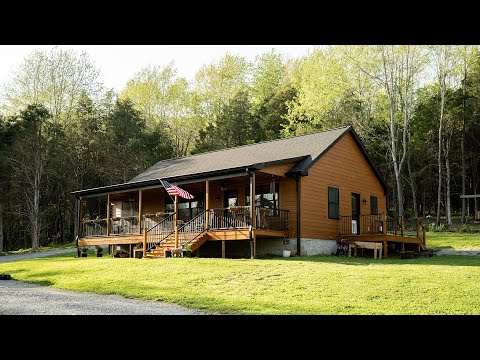
Yes, log cabins can be used as accessory dwelling units (ADUs) as long as they comply with local zoning rules, size limits, height restrictions, setback requirements, and approved foundation standards, making them an attractive and energy-efficient option for guest housing, family living, or rental use. Our log cabin models are designed specifically to meet ADU requirements and function as fully compliant secondary homes.
Can Modern Cabins Be Used As ADUs?

Yes, modern cabins can be used as accessory dwelling units (ADUs), but approval depends largely on local zoning regulations that govern factors like square footage, height, setbacks, and placement on the property. Many pre-designed cabin models already fall within common ADU size ranges and can work well as detached accessory structures as long as the design and property meet local code requirements.
What is the Difference Between a Prefab ADU & a Modular ADU?

The main difference between a prefab ADU and a modular ADU is how they’re built. A prefab ADU is typically defined as a fully built unit constructed in a factory off-site and then delivered to your property and installed as a complete, ready-to-use structure. A modular ADU is created in the factory as large, pre-made sections that are transported to your site and joined together to form the completed home. Modular ADUs always follow full residential building codes and are often easier to get approved because they are built to residential building codes and undergo thorough factory inspections during construction, giving local building officials confidence in their safety and compliance.
Size & Placement Requirements in Michigan
ADU rules on size and placement differ in Michigan from one city or township to another because the state does not have a single set of regulations that override local zoning. Most municipalities set their own maximum ADU sizes, for example, Ann Arbor allows 600–800 sq. ft., while Grand Rapids permits 400–850 sq. ft., and they also decide how far an ADU must sit from property lines. Since every community has its own zoning code, it’s important to contact the local planning department to confirm exact requirements for size, setbacks, parking, and how many ADUs are allowed per lot.
What is the Minimum Size for an Accessory Dwelling Unit?
The minimum size for an ADU depends on where you live, since Michigan doesn’t have a statewide law. Each city/township sets its own standards, some require only hundred square feet, while others require much larger units.
Examples of Local ADU Minimum Sizes in Michigan:
- Otsego County: Minimum of 400 sq. ft. for attached ADUs and 720 sq. ft. for detached ADUs
- Grand Rapids: Minimum ADU size of 400 sq. ft.
- Spaulding Township: Tiny homes must be at least 240 sq. ft.
- Ann Arbor: ADUs may be up to 600 sq. ft. on lots under 7,200 sq. ft. and up to 800 sq. ft. on larger lots
Can My ADU be Bigger Than My House in Michigan?
No, an ADU in Michigan usually cannot be bigger than your main home. Local zoning rules almost always require the ADU to be the smaller structure on the property. Many cities limit attached ADUs to about half the size of the primary house, while detached ADUs are often capped at a set maximum, typically between 800 and 1,200 square feet.
Do You Need A Permit For An ADU in Michigan?
Yes. You must get a permit to build an ADU in Michigan. Since Michigan doesn’t have a statewide ADU law, each city or township sets its own rules. All ADUs require some combination of building permits and zoning approvals. This primarily involves verifying that your ADU meets local size limits, zoning requirements, utility standards, and setback requirements.
Permits You May Need
- Building permit: Required for construction and ensures the ADU meets the Michigan Residential Code.
- Zoning permit or land-use approval: Confirms the ADU is allowed on your property.
- Electrical, plumbing, and mechanical permits: Needed if the ADU has kitchen, bath, HVAC, or utility installations.
- Site Plan Review: Some cities require a simple or comprehensive site plan review and inspection process.
Even if your city permits ADUs, you can’t start building until these permits are approved. Check with your local building or planning department to confirm exactly what you need.
Are There Any Incentives or Grants for ADUs in Michigan?
Yes, Michigan offers some incentives and grant opportunities for ADUs, but most of them are tied to specific programs or are based at the local level. Michigan’s New Housing Readiness Grant helps communities update zoning and remove barriers to ADU construction. At the same time, broader housing programs, like the MI Neighborhood Program, can also fund projects that expand housing options. Some cities and regions offer their own ADU-related support, and groups like Housing North are actively creating resources and programs to help homeowners in parts of northern Michigan.
Can an ADU Have Multiple Bedrooms and Bathrooms?

Yes, an ADU can include multiple bedrooms and bathrooms, but the exact number depends on your local zoning rules, size limits, and building code requirements. Many areas max ADUs at around 1,200 square feet for units with two or more bedrooms, which is typically enough space to include more than one bathroom as well.
If you’re interested in an ADU with a two-bedroom, one-bathroom layout, the Grove, Luna, and A-Frame Dwellling from Zook Cabins all feature a 2-bedroom, 1-bathroom design.
Are ADUs A Good Investment?
Yes, ADUs can be a smart investment because they boost your property’s value and can bring in rental income, especially in places where housing is in high demand. Your actual return will depend on factors such as local rental rates, building costs, and ensuring that all necessary permits are approved. It’s always important to compare the total cost of the project with the expected increase in income or property value before moving forward.
What Are the Requirements for ADUs in Each County in Michigan?
Michigan does not have a single set of rules for ADUs, requirements differ from one county to another. Each county has its own zoning ordinances that outline what’s allowed, including size limits, setback rules, and design standards. Homeowners must get both a building permit and zoning approval to meet local and state code requirements. To know exactly what applies to your property, you’ll need to check with the planning or zoning department in your county.
| County | Contact |
| Wayne County | Home Page |
| Oakland County | Home Page Planning Services |
| Macomb County | Home Page Permits Department |
| Kent County | Home Page |
| Genesee County | Home Page Planning Commission |
| Washtenaw County | Home Page Building Codes |
| Ottawa County | Home Page |
| Ingham County | Home Page |
| Kalamazoo County | Home Page Planning & Development |
| Livingston County | Home Page |
| Saginaw County | Home Page Zoning of Property |
| Muskegon County | Home Page |
| St. Clair County | Home Page |
| Jackson County | Home Page Zoning Ordinance |
| Monroe County | Home Page |
| Berrien County | Home Page |
| Calhoun County | Home Page |
| Allegan County | Home Page |
| Eaton County | Home Page |
| Bay County | Home Page Zoning Regulations |
| Lenawee County | Home Page |
| Grand Traverse County | Home Page |
| Lapeer County | Home Page |
| Midland County | Home Page Zoning Ordinance |
| Clinton County | Home Page Zoning Ordinance |
| Van Buren County | Home Page Zoning Ordinance |
| Montcalm County | Home Page |
| Shiawassee County | Home Page |
| Marquette County | Home Page |
| Ionia County | Home Page Building Department |
| Isabella County | Home Page |
| Barry County | Home Page Zoning Ordinance & Amendments |
| St. Joseph County | Home Page |
| Tuscola County | Home Page |
| Cass County | Home Page |
| Newaygo County | Home Page |
| Hillsdale County | Home Page |
| Branch County | Home Page |
| Gratiot County | Home Page |
| Mecosta County | Home Page Building & Zoning Department |
| Sanilac County | Home Page |
| Houghton County | Home Page |
| Delta County | Home Page |
| Chippewa County | Home Page Building Department |
| Emmet County | Home Page |
| Wexford County | Home Page |
| Clare County | Home Page |
| Huron County | Home Page |
| Mason County | Home Page |
| Alpena County | Home Page |
| Oceana County | Home Page Building Department |
| Charlevoix County | Home Page |
| Cheboygan County | Home Page |
| Dickinson County | Home Page |
| Gladwin County | Home Page |
| Otsego County | Home Page |
| Manistee County | Home Page |
| Iosco County | Home Page |
| Antrim County | Home Page |
| Roscommon County | Home Page |
| Osceola County | Home Page |
| Leelanau County | Home Page |
| Menominee County | Zoning |
| Ogemaw County | Home Page |
| Kalkaska County | Home Page |
| Benzie County | Home Page |
| Missaukee County | Home Page |
| Arenac County | Home Page Building Department |
| Gogebic County | Home Page |
| Crawford County | Home Page Building Department |
| Presque Isle County | Home Page |
| Lake County | Home Page |
| Iron County | Home Page |
| Mackinac County | Home Page |
| Alcona County | Home Page |
| Montmorency County | Home Page |
| Alger County | Home Page |
| Oscoda County | Home Page |
| Baraga County | Home Page |
| Schoolcraft County | Home Page |
| Luce County | Home Page |
| Ontonagon County | Home Page |
| Keweenaw County | Home Page |
Does Wayne County, MI Allow ADUs?
Yes, Wayne County allows ADUs, but regulations depend on the individual city or township, since each municipality has its own zoning regulations. To find out if an ADU is permitted on a specific property, you’ll need to reach out to your local zoning office.
Does Oakland County, MI Allow ADUs?
Oakland County does not have a single county-wide regulation on ADUs, each township or city sets its own rules, meaning one city might permit them while others restrict them. Several municipalities are currently reviewing or adopting ADU-friendly ordinances, including ongoing discussions in places like Royal Oak. To know what is allowed on a specific property, you’ll need to review the zoning and building codes for the particular city or township where you plan to add an ADU.
Does Macomb County, MI Allow ADUs?
Macomb County does not have a countywide ADU rule, but some cities within the county permit them. It is important to check the regulations for your specific city or municipality. Michigan law also requires all ADUs to follow both state and local building standards, including the Michigan Residential Code.
Does Kent County, MI Allow ADUs?
Accessory Dwelling Units (ADUs) are permitted in Kent County, Michigan, under the county’s Planning and Zoning regulations (Section 6200). The rules encourage varied housing choices, including options like converting existing garages. Unlike many places, Kent County avoids some of the more restrictive ADU limitations, emphasizing solutions to local housing demands in the Grand Rapids area. However, individual cities and townships within the county may have their own requirements, such as size restrictions or setback standards, so it’s important to review the specific regulations for the community where the property is located.
Does Genesee County, MI Allow ADUs?
Yes, ADUs can be allowed in Genesee County, MI, but approval depends on the specific city or township. Each municipality, such as Flint, Grand Blanc, or Fenton, sets its own zoning rules, so you must check local ordinances to confirm whether ADUs are permitted and what requirements apply.
Does Washtenaw County, MI Allow ADUs?
Yes, Accessory Dwelling Units (ADUs) are permitted in Washtenaw County, especially in the City of Ann Arbor, which allows them in several residential zones (R1–R4) to expand housing options. You must still comply with the Michigan Residential Code and obtain the required permits. Ann Arbor’s rules allow both attached and detached ADUs, include size and design standards, and typically involve zoning review, building approvals, and associated construction costs.
Does Ottawa County, MI Allow ADUs?
Yes, ADUs can be allowed in Ottawa County, MI, but there is no county-wide rule, each township or city sets its own zoning regulations. This means that approval depends on the specific municipality in which the property is located. Some areas, such as Chester Township, have adopted ordinances that define and permit ADUs, while others may restrict them or still be evaluating ADU policies. Because these rules vary, it’s important to review your local township or city’s zoning ordinance to confirm whether ADUs are permitted and what requirements, such as size limits, occupancy rules, design standards, and necessary permits, may apply.
Does Ingham County, MI Allow ADUs?
Yes, ADUs (Accessory Dwelling Units) are allowed in Ingham County, MI, but approval depends on each local township or city’s zoning rules, so it’s important to check with your specific municipality, such as Lansing, East Lansing, or nearby townships, for detailed requirements on size, placement, and permitting. While Michigan law permits ADUs in general, local ordinances determine the exact zoning districts where they are allowed (often in areas like R2), as well as limits on square footage, setback standards, and the permits needed to build or convert a unit.
Does Kalamazoo County, MI Allow ADUs?
Yes, Accessory Dwelling Units (ADUs) are permitted in the City of Kalamazoo, MI, but only within specific zoning districts, such as Node, LV1, LV2, D2, D3, Commercial Node, CC2, and CC, where certain development standards apply. This means ADUs are not allowed citywide, but they can be built in these designated areas if all zoning requirements are met. Because regulations vary by district, homeowners should review the rules for their exact zoning area and secure the necessary zoning and building permits to ensure compliance with Kalamazoo’s ordinances.
Does Livingston County, MI Allow ADUs?
Yes, Accessory Dwelling Units (ADUs) are permitted in Livingston County, MI, but the rules differ by township. Hamburg Township, for example, permits ADUs in several zoning districts as a allowed use, but other areas, such as Brighton, Howell, or Pinckney, may have different requirements or limitations. To know what’s permitted on a specific property, you’ll need to review your local township’s zoning ordinance and applicable building codes.
Does Saginaw County, MI Allow ADUs?
Saginaw County, MI does not have a single, county-wide policy for ADUs, whether an ADU is allowed depends on the zoning laws of your particular city or township. Local ordinances determine if ADUs are permitted and under what conditions, while statewide building codes still apply for construction standards and safety compliance. Because of this variation, you’ll need to check your municipality’s zoning code to find out whether ADUs are allowed in your area and what requirements, such as size limits, permits, design rules, and more, must be met.
Does Muskegon County, MI Allow ADUs?
Yes, Muskegon County, MI, particularly the City of Muskegon, has moved toward allowing Accessory Dwelling Units (ADUs), with recent updates indicating that ADUs are now permitted in single-family residential zones as part of broader zoning reforms aimed at expanding housing options. These changes include new definitions, adjusted parking requirements, and revised design standards to make ADUs easier to develop. However, because zoning authority in Michigan is local, specific rules still vary by township or city within Muskegon County, meaning homeowners must review their municipality’s zoning ordinance to confirm whether ADUs are allowed on their property and what regulations or permits apply.
Does St. Clair County, MI Allow ADUs?
Yes, ADUs are generally permitted in St. Clair County, MI, however approval depends heavily on the rules of the specific township or city. Some municipalities set their own zoning standards, so it’s essential to review local ordinances for details on setbacks, allowed size, permit requirements, and density restrictions. While state building codes apply, the local zoning rules will ultimately determine whether an ADU is allowed and under what conditions.
Does Jackson County, MI Allow ADUs?
Yes, Jackson County, MI does allow Accessory Dwelling Units (ADUs) under updated regulations, permitting attached units, detached units, and garage conversions; under these rules, ADUs may be allowed up to roughly 900 sq ft on single-family lots, subject to lot size, zoning, and setback/placement requirements. The rules aim to balance expanded housing options and neighborhood compatibility, though because ADU allowance depends on local township or municipality zoning, it’s important to verify the ordinance in your specific area before planning an ADU.
Does Monroe County, MI Allow ADUs?
Yes, the City of Monroe, Michigan, does allow Accessory Dwelling Units (ADUs), under a municipal code section that regulates them for certain zones in the city. In their code (Chapter 22.16.050), ADUs are permitted with the following rules: must obtain a permit before occupancy; you may have up to two ADUs on a lot attached or detached, the ADU may be in the main house or a detached structure; there are limits on size and floor area; and parking requirements apply unless near transit.
Does Berrien County, MI Allow ADUs?
Yes, Accessory Dwelling Units are generally permissible in Berrien County, MI, but the specific rules depend on each city or township’s zoning ordinances. Local governments determine where ADUs are allowed and what standards apply, including requirements for permits, size limits, placement, and overall design. Municipalities like Benton Harbor and St. Joseph have been exploring increased housing density and may be more open to ADUs, but homeowners still need to verify regulations with their local planning or building departments to ensure compliance with zoning and state building codes.
Does Calhoun County, MI Allow ADUs?
Yes, Calhoun County, MI, and its individual cities and townships generally allow Accessory Dwelling Units, but the specific requirements depend on each municipality’s zoning rules. Homeowners must review their local ordinances to understand regulations on size, placement, permitting, and design. While some communities, like Battle Creek, are actively exploring dedicated ADU ordinances, many others still regulate ADUs under broader accessory-structure standards, making it essential to contact the local planning department to confirm whether an ADU is allowed and what conditions apply.
Does Allegan County, MI Allow ADUs?
Yes, Accessory Dwelling Units (ADUs) are generally allowed in parts of Allegan County, MI, but approval depends on the local city, township, or village zoning regulations. To build an ADU, you must check with the local planning department for specific rules governing size, placement, permits, and required site plans. While state law permits ADUs as secondary housing, local zoning ordinances determine how and where they can be built.
Does Eaton County, MI Allow ADUs?
Eaton County, MI does not have a county-wide rule allowing ADUs; instead, each city or township sets its own zoning regulations. Some municipalities, such as Waverly, have recently adopted ordinances permitting ADUs, while others may still restrict them. This means ADU approval depends on your specific location, so you must review your local zoning ordinance or contact your planning department to confirm whether ADUs are allowed and what requirements apply.
Does Bay County, MI Allow ADUs?
Bay County, MI does not have a county-wide ordinance allowing ADUs, instead, each township or city sets its own rules. While some nearby areas have recently adopted ADU-friendly regulations, homeowners in Bay County must check their local zoning ordinances in places like Bay City or surrounding municipalities to understand what is allowed. Michigan generally supports ADUs as a housing option, but local governments control specifics such as size limits, placement, permitting, and building code compliance.
Does Lenawee County, MI Allow ADUs?
Yes, Lenawee County, Michigan likely allows Accessory Dwelling Units (ADUs), but whether you may build one depends on the zoning ordinance of your particular city or township. Rules around ADU approval can vary by municipality, so you must check local zoning codes for regulations covering ADU type (detached or attached), size, design, location, and permit requirements. If permitted, you’ll need to obtain the proper zoning approval and building permits before constructing or converting any dwelling units.
Does Grand Traverse County, MI Allow ADUs?
Yes, Grand Traverse County, MI is moving toward making Accessory Dwelling Units (ADUs) more feasible, and regional organizations like Housing North are helping support this effort. However, whether an ADU is allowed still depends entirely on the specific city or township within the county and its zoning regulations. Each municipality sets its own rules for where ADUs are permitted, along with requirements for size, design, placement, and necessary permits. Homeowners must check their local zoning ordinance to confirm eligibility and the approval process.
Does Lapeer County, MI Allow ADUs?
Yes, ADUs are generally allowed in Michigan, but approval in Lapeer County depends on the specific zoning ordinances of each township or city. Local governments set the rules for where ADUs are permitted and what requirements apply, including size limits, setbacks, site plans, and necessary building, electrical, and plumbing permits. While ADUs can support multi-generational living or additional housing options, homeowners must review their municipality’s zoning code and obtain all required local and county approvals before construction.
Does Midland County, MI Allow ADUs?
There is no county-wide ADU ordinance in Midland County, Michigan. Just like most of Michigan, ADU rules are set city-by-city and township-by-township, not at the county level.
Does Clinton County, MI Allow ADUs?
Yes, Clinton County, MI does not have a single county-wide policy for Accessory Dwelling Units (ADUs); instead, regulations depend on each township or city’s zoning ordinance. Some municipalities, such as DeWitt Township, are actively considering or adopting ADU-friendly rules, but others may still restrict them. Because requirements for size, placement, permitting, and design vary significantly, homeowners must review their specific local municipality’s zoning code to determine whether ADUs are allowed and what conditions apply.
Does Van Buren County, MI Allow ADUs?
Yes, ADUs are allowed in Van Buren, but the rules differ by township and zoning district, such as ARR, AGR, or LDR. Each local jurisdiction sets its own standards for where ADUs are allowed and outlines requirements related to location, size, and permitting, so it’s important to review the specific zoning ordinance that applies to your property.
Does Montcalm County, MI Allow ADUs?
Yes, ADUs are generally allowed in Montcalm, but approval highly depends on the zoning regulations of the specific individual township. Some areas, such as Winfield, are more accommodating, while others may impose stricter limits. Property owners must obtain the required county and, in some cases, township permits and ensure full compliance with Michigan Building Codes covering construction, safety standards, and inspections.
Does Shiawassee County, MI Allow ADUs?
Yes, Shiawassee County, Michigan, does not have a single countywide rule governing Accessory Dwelling Units, as regulations are typically set by individual townships or cities such as Owosso or Durand. In general, ADUs may be allowed if they comply with local zoning standards related to density, size, and placement, along with Michigan Building Code requirements. Property owners must obtain the appropriate zoning approvals and building, electrical, and plumbing permits, so checking the specific ordinances of your local jurisdiction is essential.
Does Marquette County, MI Allow ADUs?
Yes, Accessory Dwelling Units are permitted in Marquette County, Michigan, including within local jurisdictions such as the City of Marquette, provided they comply with applicable zoning and building regulations. These rules typically address factors such as minimum lot size, setbacks, height limits (often capped at two stories or approximately 20 feet), and maximum floor area, commonly around 768 square feet. ADUs require proper permits for construction and are generally intended to support family housing needs, generate rental income, or help expand the local housing supply.
Does Ionia County, MI Allow ADUs?
Michigan generally encourages Accessory Dwelling Units through statewide building codes, but Ionia County does not have a single, countywide ADU policy. Instead, ADU approval is determined by the zoning rules of individual cities and townships, such as Ionia or Portland, within the county. Many local governments are gradually moving toward allowing ADUs to help address housing needs, so property owners should review the specific municipal zoning ordinance that applies to their location for requirements related to lot size, setbacks, and permits.
Does Barry County, MI Allow ADUs?
Yes, Barry County, Michigan, generally allows accessory dwelling units (ADUs), sometimes referred to as mother-in-law suites, but the specific requirements vary by city and township within the county, meaning you’ll need zoning approval, the appropriate building, electrical, plumbing, and septic permits, and compliance with the Michigan Building Codes, so it’s important to review your local ordinance or contact your municipality before proceeding.
Does St. Joseph County, MI Allow ADUs?
Yes, St. Joseph, Michigan, is actively exploring ways to expand the use of ADUs as part of its response to local housing shortages. City Commissioners have directed the Planning Commission to study zoning changes that would allow more density through secondary dwelling units in residential neighborhoods. While detailed regulations were still under development as of late 2025, the goal is to create more flexible housing options for families, aging residents, and rental opportunities, all subject to local approval processes and compliance with Michigan Building Codes and permitting requirements.
Does Tuscola County, MI Allow ADUs?
Tuscola County, Michigan does not have a single countywide rule for accessory dwelling units (ADUs), as regulations are set by individual cities and townships within the county. Because Michigan leaves ADU decisions to local control, and while some communities elsewhere in the state allow them. Whether an ADU is permitted in Tuscola County depends on the specific zoning ordinance for your city or township, making it necessary to check local rules in places like Caro or other municipalities before proceeding.
Does Cass County, MI Allow ADUs?
Yes, ADUs are generally permitted in Michigan, but whether they’re allowed in Cass County depends on the specific city or township where the property is located, not the county as a whole. Each local jurisdiction sets its own zoning and development rules, including standards for size, setbacks, placement, and required permits, all of which must align with state building codes. Because regulations vary, property owners should review the zoning ordinances for their municipality, such as the City of Dowagiac, Village of Cassopolis, or townships like Howard or Jefferson, to confirm what is allowed for their specific parcel.
Does Newaygo County, MI Allow ADUs?
ADU regulations in Newaygo County are handled locally, which means you must check with the specific city or township, or the applicable rural township to review your zoning ordinances and confirm requirements for permits, including building, electrical, and plumbing, as well as size limits. While statewide building codes still apply, local rules ultimately determine whether and how an accessory dwelling unit can be built on your property in Newaygo County.
Does Hillsdale County, MI Allow ADUs?
Yes, Accessory Dwelling Units (ADUs) are generally allowed in Michigan, but in Hillsdale County, their approval depends on the zoning rules of the specific city or township where the property is located. Because Michigan defers land-use decisions to local governments, you must verify that your property’s zoning, such as an R-2 or similar residential district, permits ADUs. If allowed, construction will require the appropriate zoning approval along with county and local building, electrical, and plumbing permits.
Does Branch County, MI Allow ADUs?
Yes, Accessory Dwelling Units (ADUs) are generally permitted in Michigan, but in Branch County, their availability is determined by the zoning rules of each individual city or township. Local ordinances often set standards for ADUs, such as maximum size (commonly limited to a percentage of the primary home or capped at around 1,200 square feet), owner-occupancy requirements, separate entrances, and full compliance with Michigan Building Codes. Because the state provides only a broad framework, you’ll need to review the specific zoning regulations for the municipality where the property is located, such as Coldwater or Bronson, to understand the exact requirements and permitting process.
Does Gratiot County, MI, Allow ADUs?
Yes, ADUs are permitted in Gratiot, but zoning and building regulations depend on your specific city or township. The local government sets requirements for zoning approval, setback, site plans, occupancy rules, and permits for building, plumbing, and electrical work. To confirm what’s needed, you should contact your local planning or zoning office.
Does Mecosta County, MI Allow ADUs?
Mecosta County, Michigan, does not enforce one uniform, countywide policy for Accessory Dwelling Units (ADUs). Instead, whether an ADU is allowed depends on the zoning regulations of the individual city or township, such as Big Rapids, Morley, or Mecosta Township. While Michigan generally permits ADUs that comply with local ordinances, approval typically requires meeting specific standards for size, setbacks, and permitting, making it essential to consult the local planning or zoning department for guidance before moving forward.
Does Sanilac County, MI Allow ADUs?
Sanilac County, Michigan does not have a single countywide ordinance governing accessory dwelling units (ADUs), as the rules are set by individual cities and townships within the county; because regulations on setbacks, permits, and whether ADUs are allowed can vary by municipality, it’s important to check with your local zoning or planning office to confirm the specific requirements that apply to your property.
Does Houghton County, MI Allow ADUs?
Yes, Accessory Dwelling Units (ADUs) are generally permitted in Houghton, but the exact requirements are set by individual cities and townships rather than the county itself. Because ADU regulations are handled at the local level, property owners must check with their specific municipality, such as Houghton, Hancock, or the applicable township, to confirm zoning eligibility, size restrictions, and required permits. Regional resources like Housing North can also be helpful in navigating the ADU process in Northern Michigan.
Does Delta County, MI Allow ADUs?
Yes, Delta County, Michigan allows accessory dwelling units (ADUs), but the rules vary by city or township and typically require zoning and building permits, compliance with local standards for height and setbacks, and approval for electrical and plumbing work.
Does Chippewa County, MI Allow ADUs?
Chippewa County, Michigan likely has provisions for accessory dwelling units (ADUs), but whether they are allowed depends on the zoning rules of the specific city or township within the county. ADU regulations in Michigan are set locally rather than statewide, while some Michigan communities already permit ADUs, you’ll need to check your local zoning ordinance or contact the appropriate planning or zoning office to confirm the rules and permit requirements for your property.
Does Emmet County, MI Allow ADUs?
Yes, Emmet County, Michigan permits Accessory Dwelling Units, but they must comply with specific standards set forth in the county’s Zoning Ordinance (updated April 2023). ADUs are required to remain compatible with the primary residence, provide separate parking, and stay within defined size limits that do not exceed the main home, while fully meeting applicable building codes. The ordinance also restricts ADUs from being split off as separate lots unless they independently qualify as a primary dwelling.
Does Wexford County, MI Allow ADUs?
Yes, Wexford County, Michigan generally allows accessory dwelling units (ADUs), but because zoning and land-use rules are set locally, the specific requirements for ADUs, such as zoning districts, setbacks, size limits, and permits, depend on the city or township where the property is located. So you’ll need to check with your local planning or zoning department to confirm what applies to your property.
Does Clare County, MI, Allow ADUs?
Yes, Clare County, Michigan, likely allows ADUs, since they are generally permitted under Michigan law as secondary housing on single-family lots, but the exact rules are set by individual townships or cities within the county. Requirements can vary for zoning and building permits, owner occupancy, and size or placement standards, so to determine what’s allowed for your property, you’ll need to review the zoning ordinance for your specific township or municipality in Clare County.
Does Huron County, MI Allow ADUs?
Yes, Accessory Dwelling Units (ADUs) are generally allowed in Huron County, but their approval depends on the zoning regulations of the individual township or city. Because ADU rules are set locally, property owners must review the specific ordinances for their municipality to understand requirements related to setbacks, size limits, and permitting.
Does Mason County, MI Allow ADUs?
Yes, Mason County, Michigan, allows Accessory Dwelling Units (ADUs), but they are regulated at the local level and must comply with applicable zoning requirements. In some rural areas, ADUs may require a special use permit and must meet the standards outlined in Mason County’s Development Regulations (Ordinance No. 82-96) to ensure compatibility with surrounding properties. Property owners should confirm their parcel’s zoning and be prepared to obtain site plan approval, building permits, and any required electrical or plumbing permits as part of the local review process.
Does Alpena County, MI Allow ADUs?
Whether accessory dwelling units are allowed in Alpena County largely depends on the zoning regulations of your specific township or city, since zoning authority is typically handled at the local level rather than countywide; to determine eligibility, you’ll need to review the ordinances for places like Alpena Township or the City of Alpena, and you can also use resources such as Housing North’s ADU Toolbox to find guidance and connect with the appropriate local officials.
Does Oceana County, MI, Allow ADUs?
Oceana County, Michigan, does not have a single countywide rule governing ADUs, as whether they are allowed and under what conditions is determined by the individual township or city. While some local communities support ADUs as a way to increase housing options, often encouraged by organizations like Housing North, others require careful review of local ordinances for zoning, permits, size, and parking, making it essential to check with the planning or zoning department for the specific location of your property.
Does Charlevoix County, MI, Allow ADUs?
Yes, Charlevoix County, MI, including the City of Charlevoix, allows Accessory Dwelling Units (ADUs), subject to local zoning and building permit requirements. In the City of Charlevoix, ADUs are generally permitted in certain residential zoning districts, such as R-2, and can be used to provide additional living space, rental income, or housing for multi-generational families. However, regulations vary by city and township within the county, so property owners should review their local zoning ordinances and permitting rules to understand where ADUs are allowed and what standards apply.
Does Cheboygan County, MI, Allow ADUs?
Yes, Cheboygan County is gradually opening the door to Accessory Dwelling Units (ADUs), though the rules are not uniform. Recent updates permit tiny homes, a type of ADU, within certain Planned Unit Developments (PUDs), subject to size limits and construction standards. However, ADU regulations are not applied consistently across the county, so it’s important to review the zoning requirements of the specific township where the property is located.
Does Dickinson County, MI Allow ADUs?
Yes, Accessory Dwelling Units are regulated in Dickinson County, Michigan, as well as by individual municipalities. ADUs are permitted, but the requirements depend on the specific zoning designation (for example, R-1 versus R-2). Approval typically involves obtaining the proper permits and meeting local standards related to unit size, parking, and whether the ADU is attached or detached. Because regulations differ by jurisdiction, it’s essential to consult Dickinson County Planning and Zoning or the appropriate city or township office for information on lot dimensions, setbacks, and the application process. While state policy supports ADU development, local rules determine how it is implemented.
Does Gladwin County, MI, Allow ADUs?
Gladwin County, Michigan, does not have a clear, county-wide ordinance that allows Accessory Dwelling Units, as ADUs are not explicitly defined or broadly permitted in the main county zoning ordinance. Instead, zoning authority is largely handled at the township and municipal level, meaning ADU eligibility depends on local regulations within each city or township.
Michigan does not have a statewide law that automatically permits ADUs, so local implementation varies, and some areas may allow them with conditions, while others may not. To determine whether an ADU is permitted on a specific property in Gladwin County, and to understand requirements related to size, setbacks, parking, and permits, it’s necessary to contact the zoning ordinance for the applicable township or city, or contact the Gladwin County Construction Codes or local zoning office for clarification.
Does Otsego County, MI Allow ADUs?
Yes, Otsego County, Michigan permits accessory dwelling units, but they are subject to certain conditions, including allowing only one ADU per property, requiring the unit to be smaller than the primary residence, obtaining approval from the Health Department, and meeting specific size and lot standards, such as limits for attached and detached units and additional lot area if future parcel division is planned. While ADUs can provide added living space or rental income, they require proper permits and must comply with state and local building codes.
Does Manistee County, MI Allow ADUs?
Yes, Manistee County, Michigan, allows ADUs, and organizations like Housing North provide resources to help homeowners plan and develop them. However, regulations can differ by township or municipality within the county, so it’s important to review and confirm the specific local zoning requirements before moving forward.
Does Iosco County, MI Allow ADUs?
Yes, Iosco County, Michigan permits accessory dwelling units, but the standards are determined at the local level by individual cities and townships, such as Oscoda Charter Township, which has its own requirements regarding separate entrances, kitchen facilities, and utility metering, because these rules vary by jurisdiction, it’s essential to review the zoning ordinance that applies specifically to your property before proceeding.
Does Antrim County, MI Allow ADUs?
Yes, accessory dwelling units are generally permitted in Michigan, but the specific rules are set by each local municipality within Antrim County, meaning cities and townships may have different zoning standards, size limits, setback requirements, and approval processes. ADUs typically require zoning approval along with building, electrical, and plumbing permits and must comply with the Michigan Residential Code, so it’s important to review the ordinances that apply to your particular property before moving forward.
Does Roscommon County, MI Allow ADUs?
Yes, though Roscommon County, Michigan does not have a single countywide rule for accessory dwelling units (ADUs), as regulations are established by individual cities and townships, meaning whether an ADU is allowed, and the requirements that apply, depend on the specific municipality where the property is located or the Village of Roscommon, so you must confirm zoning standards, setbacks, size limits, and permitting requirements with the appropriate local zoning or planning department before proceeding.
Does Osceola County, MI Allow ADUs?
Yes, ADUs are generally permitted in Michigan, but the rules are set locally, so you’ll need to review Osceola County’s zoning requirements along with the specific ordinances of your township to determine eligibility and limitations. ADUs typically require county-issued building, electrical, and plumbing permits to meet design and safety standards.
Does Leelanau County, MI, Allow ADUs?
Yes, Leelanau County is developing resources related to accessory dwelling units, with support and guidance available from organizations such as Housing North, but whether ADUs are allowed largely depends on the zoning regulations of the individual townships within the county, since Michigan does not have a statewide ADU law, making it essential to review your specific Leelanau County township’s rules to understand permit requirements and eligibility.
Does Menominee County, MI Allow ADUs?
Yes, while many parts of Michigan are adopting accessory dwelling units (ADUs), whether they are allowed in Menominee County isn’t clearly defined in general sources, because ADU regulations are set locally by individual townships and cities rather than at the county level. You’ll need to consult the Menominee County Planning/Zoning Department or visit their official website to review the zoning ordinances that apply to your specific property and confirm eligibility, setback standards, and required permits.
Does Ogemaw County, MI Allow ADUs?
Yes, Ogemaw County, Michigan likely allows accessory dwelling units, but because ADU regulations are determined locally rather than by the state, you’ll need to review the specific Ogemaw County Zoning and any applicable city or township rules to confirm where ADUs are permitted, what zoning districts allow them, and the requirements for size, setbacks, and permits; while Michigan initiatives like Housing North generally support ADUs as secondary homes on single lots, the exact standards and permitting processes will vary by jurisdiction within the county.
Does Kalkaska County, MI Allow ADUs?
Yes, Kalkaska County, Michigan likely allows ADUs, since Michigan generally supports them, but whether they are permitted and under what conditions depends on the zoning rules of the specific township, such as Clearwater Township or Kalkaska Township, which may set requirements for size, placement, owner occupancy, and permitting, making it necessary to review the applicable local township ordinances before moving forward.
Does Benzie County, MI, Allow ADUs?
Yes, Benzie County does allow accessory dwelling units (ADUs), under certain conditions, which reflects how local municipalities in the area are adopting ADU regulations. However, because rules can differ by jurisdiction, you still need to check the specific zoning ordinances for your township or village to understand the exact requirements that apply to your property.
Does Missaukee County, MI Allow ADUs?
Yes, while many areas in Michigan are adopting accessory dwelling units (ADUs) as a housing option, there isn’t clear, specific information showing that Missaukee County itself has a defined ADU ordinance as of late 2024/2025, because Michigan doesn’t have a statewide ADU law and each township or city sets its own zoning regulations. ADU rules can vary widely by jurisdiction, so you’ll need to contact the Missaukee County planning/zoning department or review the relevant local zoning ordinances.
Does Arenac County, MI Allow ADUs?
Yes, even Arenac County, Michigan, does not have a single countywide ordinance that clearly allows or regulates accessory dwelling units. As zoning authority is handled by individual townships and municipalities, the permitting of an ADU depends on the specific local zoning rules for your property. Since requirements for size, setbacks, and permits can vary, it’s important to check with Arenac County Planning or your local township’s planning and zoning officials before moving forward.
Does Gogebic County, MI Allow ADUs?
Whether Gogebic County, Michigan, allows accessory dwelling units isn’t clearly defined at the county level in general sources, because ADU rules are set locally by each township or city, and must also comply with Michigan building codes. You need to review the specific zoning ordinances for your municipality to determine if ADUs are permitted and what standards apply.
Does Crawford County, MI Allow ADUs?
Crawford County, Michigan, does not have a single countywide rule governing accessory dwelling units (ADUs), because zoning authority is handled at the local level, but some municipalities within the county do address ADUs or similar secondary dwelling units in their zoning ordinances. Since regulations on size, placement, and permits vary by city or township, you should review your local zoning ordinance or contact the appropriate planning and zoning office before proceeding.
Does Presque County, MI Allow ADUs?
Yes, ADUs are generally permitted in Michigan, but because zoning and land-use rules are determined locally by each county, township, or city, you’ll need to review the specific zoning ordinances that apply to your property in Presque Isle County, as requirements for permitting, setbacks, size, and other conditions can differ significantly by municipality. While nearby communities like Charlevoix and Traverse City have actively embraced ADUs, it’s important to contact your local township planning office in Presque Isle County for the official guidelines and permit process that apply to your area.
Does Lake County, MI Allow ADUs?
Yes, Lake County, Michigan generally permits accessory uses and structures, including guesthouses without kitchens in certain zoning districts (such as A-1, A-2, and F-1), but full accessory dwelling units, with kitchens, are regulated differently depending on the specific township’s zoning ordinance, since state law allows ADUs but local rules govern where and how they can be built. Due to this variation and the necessity of obtaining proper zoning and building permits, it is essential to consult the zoning regulations for your specific township in Lake County to understand the requirements applicable to ADUs.
Does Iron County, MI Allow ADUs?
Yes, accessory dwelling units are generally permitted in Michigan, but because regulations are set locally by counties, cities, and townships, you’ll need to review Iron County’s construction code or the zoning laws of the particular township where your property is located, since rules can vary by jurisdiction and typically address standards such as allowed zoning districts, size limits, parking, and required permits for building, electrical, plumbing, and other systems.
Does Mackinac County, MI Allow ADUs?
Yes, Mackinac County does allow ADUs, with Clark Township specifically permitting them as a standard use in zones designated for single-family homes, reflecting the broader trend in Michigan toward using ADUs for more affordable housing options. However, because regulations like size limits, setbacks, and other requirements can differ by township within the county, it’s important to check the zoning ordinance for your specific township before moving forward.
Does Alcona County, MI Allow ADUs?
Yes, accessory dwelling units are generally permitted in Michigan, but because zoning and land-use regulations are established at the local level, you’ll need to review Alcona County’s specific zoning ordinances, typically through the county’s Planning/Zoning Department or Building Department. To determine if ADUs are allowed and what requirements apply, since policies vary by jurisdiction, even though communities like Charlevoix and Traverse City have already adopted rules to support them as part of local housing strategies.
Does Montmorency County, MI Allow ADUs?
Montmorency County, Michigan, does not have a clearly defined countywide policy explicitly allowing or regulating accessory dwelling units, because Michigan leaves zoning and land-use regulation up to local governments, and county boards generally do not set detailed zoning rules themselves.
Whether an ADU is permitted depends on the zoning ordinances of the township or municipality where your property is located, and you would need to check with the local planning or zoning department to review their specific ordinances, setbacks, size, and permitting requirements before planning an ADU.
Does Alger County, MI, Allow ADUs?
While Michigan broadly supports accessory dwelling units (ADUs), whether they are allowed in Alger County depends on the zoning rules of the individual township or city, since counties typically do not set detailed residential zoning standards. To determine eligibility, you’ll need to review the ordinances for the specific municipality where your property is located, which may include requirements for size, owner occupancy, and placement.
Does Oscoda County, MI Allow ADUs?
Yes, accessory dwelling units (ADUs) are allowed in parts of Oscoda County, Michigan, most notably in Oscoda Charter Township, which has adopted specific zoning standards permitting ADUs in single-family residential areas with size limits generally ranging from about 300 to 900 square feet, but because ADU regulations differ by township, it’s important to review the exact zoning rules and permit requirements for the specific township where your property is located before proceeding.
Does Baraga County, MI Allow ADUs?
Baraga County, Michigan, does not have a single countywide rule for accessory dwelling units (ADUs), since zoning is handled locally, but some municipalities, such as Baraga Township, do recognize ADUs in their zoning ordinances. Because whether an ADU is allowed depends on the specific zoning district and local requirements for things like size, setbacks, occupancy, and permits, you should check with the planning or zoning office for your township or city before moving forward.
Does Schoolcraft County, MI Allow ADUs?
Schoolcraft County, Michigan, does not have a clear countywide ordinance allowing accessory dwelling units (ADUs), since zoning is handled at the local level. Some townships may restrict accessory structures from being used as living space, so whether an ADU is allowed depends on your specific township or municipality and requires checking the local zoning ordinance or contacting the local planning or zoning office.
Does Luce County, MI Allow ADUs?
Luce County, Michigan, does not have a single countywide rule that explicitly allows accessory dwelling units (ADUs), because Michigan leaves zoning and land-use decisions to local governments. Whether an ADU is permitted depends on the specific township or municipality’s zoning ordinance where your property is located, and you’ll need to check that local code or contact the township’s planning and zoning department to find out if ADUs are allowed and what requirements (such as size, setbacks, and permits) apply.
Does Ontonagon County, MI Allow ADUs?
Ontonagon County, MI, does not have a single countywide policy that explicitly permits accessory dwelling units, because zoning and land-use authority in Michigan are handled locally by townships and municipalities rather than at the county level. Whether an ADU is allowed depends on the specific zoning ordinance for the township or city where your property is located, so you should review that local code or contact the appropriate planning/zoning office to determine if ADUs are permitted and what standards (such as size, setbacks, and permitting) apply.
Does Keweenaw County, MI Allow ADUs?
Keweenaw County, Michigan, does not have a countywide ordinance that specifically allows accessory dwelling units (ADUs), because Michigan leaves zoning and land use decisions, like whether ADUs are permitted, to the local township or municipal zoning ordinance. To find out if an ADU is allowed on a particular property in Keweenaw County depends on the specific zoning rules of the township or village where the property is located, so you should check the local zoning code or contact the township’s planning/zoning office to confirm if ADUs are permitted and what requirements apply.
Find Your Accessory Dwelling Units Requirements in Michigan By Municipality
Michigan does not have a single, uniform set of rules for accessory dwelling units (ADUs), and requirements vary from one city or municipality to another. Each city or township adopts its own zoning ordinances that define what is permitted, including limits on size, setback requirements, and design standards. Homeowners typically need zoning approval along with building permits to comply with both local regulations and state codes, so to determine what applies to your property, you should contact the planning or zoning department for your specific city or municipality listed below.
| Detroit | Planning & Development Department |
| Grand Rapids | Planning & Development |
| Warren | Planning Department |
| Sterling Heights | Planning |
| Ann Arbor | Planning |
| Lansing | Planning & Zoning Office |
| Dearborn | Planning & Zoning Services |
| Clinton Township | Planning |
| Canton Township | Planning Services |
| Livonia | Planning |
| Macomb | Planning & Zoning |
| Troy | Planning Department |
| Westland | Planning Division |
| Farmington Hills | Planning & Community Development |
| Flint | Planning Division |
Does Detroit, MI Allow ADUs?
Yes, Detroit, MI allows Accessory Dwelling Units (ADUs), through the Board of Zoning Appeals (BZA) to move forward. The city is currently considering updates that would make ADUs easier to build and allow them more broadly across residential zoning districts. Although ADUs are technically permitted, homeowners still need to navigate Detroit’s specific zoning requirements and may face a lengthy BZA review process, with timelines and costs depending on the project.
Does Grand Rapids, MI Allow ADUs?
Yes, Grand Rapids, MI, allows Accessory Dwelling Units, and the city has adopted zoning reforms to make them easier to build as part of its broader effort to expand housing options. ADUs are permitted in residential zoning districts and may be attached, detached, or incorporated within an existing structure, provided they meet requirements such as lot size, setbacks, height limits, and design standards. Recent updates have relaxed some restrictions to encourage more ADU development, but homeowners must still follow the city’s zoning rules and obtain the necessary permits.
Does Warren, MI Allow ADUs?
It appears that Warren, MI, does not currently allow ADUs under a general citywide ordinance. Warren’s zoning and building documents only address small accessory structures like sheds, with no reference to secondary dwelling units. Since Michigan leaves ADU approval to each municipality, and Warren has not publicly updated its zoning code to include them, ADUs are likely not permitted by right. Homeowners interested in creating an ADU would need to contact Warren’s Planning and Zoning Department to see whether a special-use permit or variance might be possible, though approval is not guaranteed.
Does Sterling Heights, MI Allow ADUs?
Although Sterling Heights permits accessory structures such as sheds, its ordinances do not specifically reference accessory dwelling units, the way some other municipalities do. The code mainly addresses requirements like setbacks and standards for detached outbuildings. To determine whether something like a carriage house or basement apartment would qualify as an allowed accessory use, you would need to contact the Sterling Heights’ Planning Department to verify how such a unit is classified and whether it meets local setback and building regulations.
Does Ann Arbor, MI Allow ADUs?
Yes, Ann Arbor, MI allows Accessory Dwelling Units, often called granny flats or backyard cottages. Recent zoning updates have broadened where ADUs can be built, eased development standards, and permitted new detached units to help expand the city’s housing supply. ADUs are allowed in most residential zoning districts, including R1, R2, R3, and R4, with size limits tied to the lot and primary structure. The city has also reduced or removed parking requirements, making it easier for homeowners to add ADUs on their properties.
Does Lansing, MI Allow ADUs?
Yes, Lansing, MI does allow Accessory Dwelling Units (ADUs). Their zoning code was amended to permit ADUs under certain conditions (e.g., on lots with a single-family principal dwelling in designated zoning districts such as R-1, R-2, R-3, R-MX, and DT-1). For more information, contact Lansing’s Planning and Zoning Ofiice.
Does Dearborn, MI, Allow ADUs?
No. Dearborn, MI, does not currently allow ADUs under its zoning ordinance. The city’s code states that accessory structures in residential districts, such as garages or sheds, may not be used as dwelling units, which effectively prohibits detached or attached ADUs. While homeowners may construct typical accessory buildings that follow setback and design rules, they cannot legally convert or build them as separate living quarters. Anyone interested in ADUs in Dearborn would need to monitor potential future zoning updates, as no current provisions permit them.
Does Clinton, MI Allow ADUs?
Although Accessory Dwelling Units (ADUs) are commonly allowed in Michigan, whether they are allowed in Clinton, MI, depends on the zoning rules of the local jurisdiction, either Clinton Township or the Village of Clinton. Each municipality sets its own standards, so you’ll need to consult its planning or zoning department to determine if an ADU is permitted on your property. Local regulations typically outline requirements such as zoning district eligibility, site-plan review, and compliance with building codes before an ADU can be approved.
Does Canton, MI Allow ADUs?
Canton Township, MI, does not specifically list ADUs in its general zoning ordinance, but it does regulate Accessory Structures, some of which could serve as ADU-type spaces if they satisfy all zoning and building standards. These structures must meet requirements for size, setbacks, foundations, and permitting, and may require either a Compliance Permit or a full Building Permit, depending on their square footage and features. Because allowances vary by zoning district, it’s important to review your property’s specific zoning designation and consult Canton’s official zoning regulations to determine whether an ADU-like accessory structure is permitted.
Does Livonia, MI Allow ADUs?
Although Michigan generally permits Accessory Dwelling Units, it’s not clear whether Livonia specifically allows them based on available information. Because ADU regulations are set at the local level, you’ll need to review Livonia’s zoning ordinance or contact the city’s planning or building departments to determine whether an ADU is allowed on your property and what permits or requirements may apply.
Does Macomb, MI Allow ADUs?
Macomb, MI, does not operate under a single ADU policy, instead, each city or township within Macomb County sets its own zoning rules, so ADU allowances vary by municipality. While many Michigan communities are beginning to adopt ADUs as part of their housing strategies, any ADU must still meet permitting requirements and comply with Michigan Building Codes. To know whether an ADU is allowed on your property, you’ll need to review your local zoning ordinance, whether in Macomb Township, Clinton Township, or another jurisdiction, to see which residential districts permit them and what standards apply, such as size limits, setbacks, and design criteria, as some areas are in the process of updating their regulations.
Does Troy, MI Allow ADUs?
In Troy, Michigan, no clearly stated provision in the city’s zoning ordinance explicitly allows accessory dwelling units (ADUs), since Michigan leaves zoning decisions to local governments and Troy’s code does not expressly list ADUs as a permitted use. Because approval may depend on how an ADU proposal fits within existing accessory use rules and the property’s zoning district, it’s important to contact the City of Troy’s Planning Department directly or review the applicable zoning ordinance to determine whether an ADU could be allowed and under what conditions.
Does Westland, MI Allow ADUs?
In Westland, Michigan, there is no clearly stated provision in the current zoning ordinance that explicitly permits accessory dwelling units (ADUs), since zoning authority is handled locally and ADUs are not specifically listed as a distinct use. As a result, whether an ADU could be allowed depends on how it fits within existing zoning classifications, making it important to review the city’s zoning code or contact the City of Westland Planning and Zoning Department to confirm what may be permitted for a specific property.
Does Farmington, MI Allow ADUs?
Yes, Farmington, Michigan allows accessory dwelling units (ADUs) under an established ordinance that creates a clear framework for constructing detached backyard cottages, giving homeowners the opportunity to add additional housing that can help address local housing needs and provide potential financial benefits, although the city does impose specific requirements related to factors such as unit size, parking, lot dimensions, and overall design.
Does Flint, MI Allow ADUs?
Yes, Flint, Michigan, following a major zoning code overhaul completed in 2022, now generally allows accessory dwelling units (ADUs) in most residential areas, making it easier for homeowners to add them for supplemental income, multigenerational living, or affordable housing options under the city’s updated and modernized regulations.
Searching For An ADU Builder Serving in Michigan?
If you’re searching for a trusted ADU builder in Michigan, you’re in the right place. Zook Cabins offers a range of high-quality, modular ADUmodels designed to meet local and state requirements. Our models come fully finished and ready for placement on a foundation once they arrive at your property, making it easy to add in-law quarters, a guest house, or rental unit. With our durable construction, modern designs, and a smooth, guided building process, we make adding an ADU to your property easy from planning to delivery. Explore our ADU options, including the Rivera, Grove, A-Frame Dwelling, Sonoma, and Luna ADU Models.
Tiny homes & ADU Rules by State: How Do They Compare?
Many people confuse ADUs and park model tiny homes as the same thing, but the truth is that the requirements for each structure can vary widely within the same state, county, or even city. ADUs are typically classified as permanent structures, while tiny homes can often be considered recreational vehicles or temporary structures. This means that some areas will prohibit tiny homes, but permit ADUs, or vice versa. To help you determine what your area allows, we’ve created these helpful comparison tables. And remember, if you have any questions, Zook Cabins is here to help.