

This Midwest state doesn’t just offer beautiful fall foliage, rolling hills, and friendly communities. It’s also the perfect state to enjoy an accessory dwelling unit or ADU! These modern, comfortable housing alternatives are rising in popularity and for good reason. Imagine more housing space for friends and family, an investment opportunity, and increased property value. It’s all possible with a brand new modular ADU from Zook Cabins!
First though, it’s essential to understand all the rules and regulations surrounding these popular houses. Some Ohio areas are stricter when it comes to building or owning one, while others are more permissive. Luckily, we’ve done the research and gathered the information you need to move forward with confidence.
Are ADUs Allowed in Ohio?

First up, the pressing question. Unfortunately, it’s not a clear cut answer. This is due to many Ohio counties having general zoning laws that don’t provide clear answers. Many cities in Ohio allow ADUs while most counties are more general. The lack of clarity is also due to the fact that Ohio does not have a state-wide ordinance regarding ADUs, and instead towns and counties regulate them on their own. However, the majority of areas in Ohio will allow an ADU, provided you go through the right process.
What Is Considered An ADU in Ohio?
To be an ADU in Ohio, the dwelling must be an independent living space with dedicated areas for sleeping, cooking, and living. Also, these ADUs must be located on the same lot as a primary dwelling that is larger in size. An accessory dwelling unit can be in the form on internal conversions, attached apartments, or detached independent units.
Can Park Model Tiny Homes Be Used As ADUs in Ohio?

If you already own one of our very popular tiny homes, also known as park models, you may be wondering if this qualifies as an ADU. Here again, it can depend on the town’s zoning laws, but yes, many areas allow them as a form of an ADU. To find out directly, reach out to your local zoning department and explain what you are intending to use your park model home as to see what they allow.
IF you are disappointed by what Ohio has to say about using a tiny home as an ADU take a look at the table below to see what every state we deliver to has to say abotu using tiny homes.
| AL | IL | MN | NC | TX |
| AZ | IN | MS | ND | UT |
| AR | IA | MO | OH | VT |
| CA | KS | MT | OK | VA |
| CO | KY | NE | OR | WA |
| CT | LA | NV | PA | WV |
| DE | ME | NH | RI | WI |
| FL | MD | NJ | SC | WY |
| GA | MA | NM | SD | |
| ID | MI | NY | TN |
Can Log Cabins Be Used As An ADU?
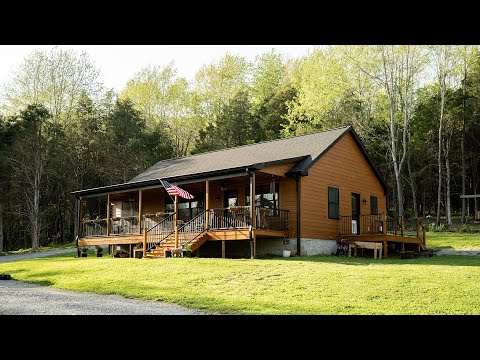
Definitely! With the wooded rural areas of Ohio, log cabins are the perfect choice for an ADU, provided they fit within the size limit. A compact model of these cozy cabins would elevate your property and provide that extra space or investment opportunity you are looking for. Call our sales team today to get started on the process!
Can Modern Cabins Be Used As An ADU?

Rustic cabins aren’t your type? Not a problem at Zook Cabins! Try out our modern cabins as the ideal ADU on your property. Just like log cabins, as long as they adhere to the size limits and design standards your town requires for ADUs, you should be all set.
What is the Difference Between a Prefab ADU & a Modular ADU?
Modular ADUs are designed and crafted in sections, then assembled on site. Prefab ADUs are created almost entirely in the factory, then delivered and placed on the permanent foundation.
The majority of towns don’t make a distinction between these two types when it comes to zoning codes and regulations, so no matter what you choose, you can have a great ADU.
What is the Minimum Size for an Accessory Dwelling Unit?
Ohio does not implement a minimum size for ADUs statewide. Your local zoning codes will determine what the minimum size is but expect somewhere between 200-400 square feet. However, some counties or towns may not even have a minimum size!
Can My ADU be Bigger Than My House?
No. ADUs are an addition to the property, not the main dwelling. Most towns cap ADUs at 800-1000 square feet or 50-75% of the primary dwelling. Depending on where you live, this regulation will vary, but the end result is that your ADU will not exceed the size of your house.
However, at Zook Cabins, we can build you a full-sized home and an ADU for your property.
How Close To My House Can I Build An ADU in Ohio?

This varies by municipality, but many towns follow the same standards for other accessory buildings. Traditionally, this is a 10-foot rear setback and 5 feet from the sides. For the most clarity, review your local zoning codes or just call the zoning department directly.
Do You Need A Permit For An ADU in Ohio?
Yes. Accessory dwelling units are created for traditional living, with electrical, plumbing, HVAC, and all the traditional housing features. This means you will need multiple permits, starting with a general accessory building permit, and then specific permits for electrical, plumbing, HVAC, and potentially more. Permit processes and requirements do vary by town and county, so we recommend working closely with the local building department for the most clarity.
Are There Any Incentives or Grants for ADUs in Ohio?
No. Since Ohio is still growing in its allowance of ADUs, there is a lack of statewide funding and ADU grants. However, you may qualify for a traditional housing grant, or voucher in your area. Contact your building department and ask about the available financing options.
Are Zook Cabin’s ADUs Built to Code?

Yes. Our experienced builders and designers create each ADU with local building codes in mind and your safety. Before an ADU leaves our lot, it has been thoroughly inspected and double checked to even exceed the requirements.
Can an ADU Have Multiple Bedrooms?

That is definitely an option. Choose a higher square footage model and you’ll have an option for one or two bedrooms. Some municipalities may regulate it at one bedroom, but typically you have the legal option to have a multi-bedroom or multi-bathroom ADU.
Are ADUs A Good Investment?
Absolutely! Those who invest in ADUs often report a very quick ROI due to their versatility and affordability as compared to a traditional house. You can rent them out, house your elderly parents, and passively increase your property value.
Curious about financing your ADU? Reach out to our team, and we’re happy to work with you!
Accessory Dwelling Unit Requirements by County
Does Adams County, OH, Allow ADUs?
It is unclear at this point. Adams County does not have a countywide zoning ordinance that governs residential land use, so ADUs are not regulated the same way they would be in more urban counties. In areas where township zoning applies, a homeowner may need a variance before adding a second dwelling. The next step is to contact the Adams County Building Department and your township zoning inspector, if applicable, to confirm septic requirements, foundation standards, and whether your township has zoning restrictions on additional dwellings.
Does Allen County, OH, Allow ADUs?
Allen County uses township-level zoning for its unincorporated areas, and most townships in the county do not list ADUs as a permitted residential accessory use. A second dwelling typically requires approval through a Board of Zoning Appeals hearing, and the township will review factors like setbacks, lot size, parking space, and whether the septic system can serve two independent units. Any permitted ADU would still need a residential building permit and must meet all state building-code requirements for living spaces. Homeowners should contact the Allen County Building Department and their local township zoning office to confirm the exact process and whether an ADU is allowed on their parcel.
Does Ashland County, OH, Allow ADUs?
Unlike some counties, Ashland County does not operate under a single countywide zoning code; instead, zoning is managed by the townships, and most of these rural zoning resolutions do not include ADUs as a permitted use. In most cases, a secondary dwelling unit would require a variance or conditional use approval, and the applicant must demonstrate that the property has adequate road access, setback compliance, and an approved wastewater system large enough to support two dwellings. All ADUs must still meet Ohio Residential Code standards for habitable space. For the next step, homeowners should contact the Ashland County Building Safety Division and their specific township zoning inspector to confirm local requirements.
Does Ashtabula County, OH, Allow ADUs?
Ashtabula County is mostly unzoned outside municipalities, which means the county itself does not limit homeowners from building a second dwelling as long as the structure meets residential building and health codes. The limiting factor here is usually septic capacity, because the county health department must approve a system capable of serving two separate dwelling units. In the handful of townships that do have zoning, ADUs often require a variance since they are not listed as by-right uses. Anyone considering an ADU should reach out to the Ashtabula County Department of Building Regulations and the Ashtabula County Health Department, and if they live in a zoned township, the township zoning inspector as well.
Does Athens County, OH, Allow ADUs?
Athens County does not have a county-wide zoning ordinance that authorizes accessory dwelling units as a permitted use in unincorporated areas, and county regulations focus on subdivision and floodplain standards rather than residential land uses; Athens Township zoning rules that do exist specifically restrict accessory buildings from being used as dwelling units, meaning any structure intended for living space would need a zoning variance or special permission to depart from typical accessory building limitations. Homeowners should contact the Athens County Regional Planner and, if their property is in a zoned township, the township zoning inspector to confirm what approvals are necessary before preparing plans or applying for any building or occupancy permits.
Does Auglaize County, OH, Allow ADUs?
Auglaize County does not operate under a unified county zoning code; instead, each township administers its own zoning regulations, and those documents do not generally list accessory dwelling units as a by-right residential accessory use, so an ADU is typically not automatically allowed across the county. Because each township’s zoning resolution is different, a homeowner who wants to explore an ADU should contact the zoning commission or zoning inspector for their specific township (such as Clay, Duchouquet, or St. Marys Township) to determine whether ADUs are permitted, what conditions might apply, and what permit or variance process is required.
Does Belmont County, OH, Allow ADUs?
Belmont County does not have a countywide zoning ordinance in place, meaning the county itself hasn’t adopted zoning regulations that specifically address accessory dwelling units anywhere in unincorporated Belmont County, and each local jurisdiction (village or township) may have its own rules or none at all. Because of this absence of a county zoning framework, homeowners should check with the township trustees or local zoning authority where the property is located to see if ADUs are allowed under local rules and what permits or approvals are required for a secondary living unit.
Does Brown County, OH, Allow ADUs?
Brown County’s land use is managed largely through township zoning and county subdivision and floodplain regulations rather than a comprehensive county ADU code, and accessory buildings in most local zoning resolutions are limited to non-habitable purposes; as a result, an ADU is normally not allowed by right in unincorporated Brown County without first seeking a variance or conditional use permit from the Board of Zoning Appeals. Homeowners interested in building a secondary dwelling unit should contact the Brown County Zoning Office or their township zoning inspector to clarify whether an ADU can be permitted and what setbacks, lot standards, and Ohio Residential Code requirements will apply.
Does Butler County, OH, Allow ADUs?
Butler County has a rural zoning resolution that divides unincorporated land into residential and agricultural districts but does not explicitly authorize accessory dwelling units as a by-right accessory use; accessory structures are allowed in various districts, but a dwelling unit separate from the primary home typically requires a conditional use permit or variance from the Butler County Board of Zoning Appeals. Any ADU proposal must still meet lot size, setback, and structural standards in the county resolution and receive a building permit under the Ohio Residential Code before occupancy. For guidance on whether your parcel’s zoning district might support an ADU and what approvals are needed, contact the Butler County Rural Zoning Administrator or the Butler County Department of Development.
Does Carroll County, OH, Allow ADUs?
Carroll County approaches land use mostly at the township level, and because the county does not have a unified zoning ordinance, ADUs are not automatically permitted in unincorporated areas. Most township zoning rules only recognize standard accessory buildings and do not allow them to be used as separate dwelling units. Anyone considering an ADU in Carroll County will likely need a variance or conditional approval, and must still meet Ohio Residential Code requirements for egress, foundations, and utilities. The next step is to contact your township zoning inspector and the Carroll County Building Department to confirm what approvals apply to your property.
Does Champaign County, OH, Allow ADUs?
Champaign County’s zoning landscape is shaped largely by township regulations, and ADUs are not typically included in the permitted residential accessory uses in those zoning resolutions. Township rules generally restrict accessory structures to non-habitable purposes and require homeowners to petition the Board of Zoning Appeals for a secondary dwelling on a single lot. Any approved ADU must still comply with septic capacity, yard setbacks, and the Ohio Residential Code. Homeowners should begin with their township zoning office and then coordinate with the Champaign County Building Regulations Department for permit requirements.
Does Clark County, OH, Allow ADUs?
Clark County handles zoning directly through a countywide code, and its resolution focuses on traditional single-family dwellings and accessory structures without establishing a standard allowance for ADUs. A detached or attached accessory unit intended for independent living would require a conditional use permit or variance from the Clark County Board of Zoning Appeals, and the county will review setbacks, driveway access, and wastewater system capacity. Anyone planning an ADU should meet with the Clark County Community Development Office to confirm zoning district rules and the steps needed for approval.
Does Clermont County, OH, Allow ADUs?
Clermont County relies heavily on township-administered zoning, and most of these township resolutions do not include ADUs as a permitted accessory use. Accessory structures are allowed, but not as standalone dwelling units unless a variance is granted. Septic approval, lot size, and compliance with the Ohio Residential Code all come into play when a secondary dwelling is proposed. Homeowners should contact their township zoning inspector and then the Clermont County Permit Central office to understand exactly what reviews and permits are required.
Does Clinton County, OH, Allow ADUs?
Clinton County’s unincorporated areas are governed primarily by township zoning rules, and these regulations typically do not authorize ADUs by right. Since accessory buildings cannot be used for living space without zoning relief, any homeowner wanting an ADU will need to request a special exception or variance. If approved, the project must still meet structural and safety standards. The best next step is to check with your township zoning department, followed by the Clinton County Building and Zoning office for permit requirements and inspections.
Does Columbiana County, OH, Allow ADUs?
Columbiana County generally does not regulate rural land use through a countywide zoning resolution, and many townships have no zoning at all, meaning the county does not prohibit a second dwelling so long as it meets Ohio building and health codes. I
n townships that do enforce zoning, ADUs typically require a variance because accessory structures are not allowed to function as dwellings without approval. Homeowners should start with the Columbiana County Building Department and their township trustees or zoning inspector to determine what approvals are required and whether additional local rules apply.
Does Coshocton County, OH, Allow ADUs?
Coshocton County’s land use is managed primarily through township zoning ordinances rather than a single countywide code, and in most township zoning resolutions accessory dwelling units are not listed as a permitted residential use. Because standard accessory buildings (like garages and sheds) are typically limited to non-habitable uses, a homeowner cannot automatically add a second dwelling unit on an unincorporated property.
To pursue an ADU in Coshocton County, the property owner would generally need to request a variance or conditional use approval from the township’s Board of Zoning Appeals. In addition to zoning relief, any ADU must meet Ohio Residential Code requirements for foundations, egress, plumbing and electrical systems, and the Coshocton County Health Department must confirm that the septic system is adequate for an additional dwelling. Homeowners should start by contacting the zoning inspector for their specific township (for example, Lafayette, Oxford, or Tiverton Township) and then coordinate with the Coshocton County Building and Zoning Department to understand the application process, required site plan details, and permit steps.
Does Crawford County, OH, Allow ADUs?
Crawford County uses township zoning in its unincorporated areas, and most of these local zoning ordinances do not explicitly include accessory dwelling units as an allowed accessory residential use. Because an ADU is not enumerated as a permitted use, a homeowner wishing to build one must apply for a variance or conditional use permit through the township Board of Zoning Appeals before moving forward with construction plans.
Once zoning relief is secured, the ADU must still comply with setbacks, lot coverage, septic approval from the Crawford County Health Department, and all relevant provisions of the Ohio Residential Code for habitable spaces (such as minimum room sizes, emergency egress, and electrical and plumbing work). Homeowners should contact the zoning inspector for their specific township (such as Holmes, Jackson, or Liberty Township) and the Crawford County Building Department to confirm what township zoning standards apply and how to begin the permit process.
Does Cuyahoga County, OH, Allow ADUs?
Cuyahoga County does not govern accessory dwelling units through a single countywide residential zoning code because most areas are incorporated into cities and villages that administer their own zoning (for example, Cleveland, Shaker Heights, Bay Village, and others). In the limited unincorporated portions of Cuyahoga County that fall under the Cuyahoga County Zoning Resolution, accessory buildings are permitted but there is no straightforward ADU category that allows a secondary dwelling by right.
In those areas, an accessory building intended for independent living typically requires a conditional use approval or variance from the county’s zoning board, and any ADU must meet setback, parking, and septic or sewer connection requirements along with the Ohio Residential Code standards for habitable units. Homeowners should contact the Cuyahoga County Planning Commission for current zoning requirements in unincorporated areas, and if their property is inside an incorporated municipality, they should reach out to that city’s planning or zoning office to confirm ADU rules, numeric size limits, and permit requirements.
Does Darke County, OH, Allow ADUs?
Darke County’s unincorporated areas are governed by township zoning, and most township zoning resolutions do not include accessory dwelling units as an allowed residential use. Because ADUs aren’t listed by right, a homeowner would need a variance or conditional use permit from their township Board of Zoning Appeals before building one. Even after zoning approval, the unit must still meet Ohio Residential Code standards for habitable space and have adequate septic or sewer capacity. For specific requirements, start with your township zoning inspector and the Darke County Building Department.
Does Defiance County, OH, Allow ADUs?
Defiance County largely relies on township zoning for residential land use, and these local codes do not typically treat ADUs as a permitted accessory residential use. A second dwelling would generally require a variance or conditional use review before it can be approved. After any land-use approval, the ADU must comply with setbacks, lot standards, and state building codes. Property owners should contact their township zoning office and the Defiance County Building Department to see how ADUs are treated in their specific area.
Does Delaware County, OH, Allow ADUs?
Delaware County’s unincorporated township zoning rules do not explicitly authorize accessory dwelling units as a permitted use. Because ADUs aren’t defined in the county or most township codes, adding one usually requires a variance from the Board of Zoning Appeals. The county reviews septic capacity and site layout when considering such requests. Homeowners should reach out to their township zoning office and the Delaware County Building & Zoning Services for guidance on the approval process.
Does Erie County, OH, Allow ADUs?
Erie County zoning varies because parts of the county (especially near Sandusky) fall under municipal codes that may separately address ADUs. In unincorporated township areas, accessory structures are allowed but not for residential occupancy unless a variance or conditional use permit is obtained. Any ADU must still meet Ohio Residential Code requirements, including egress and foundation standards. The first step for a homeowner is to contact the Erie County Regional Planning Commission or the township zoning inspector for district-specific ADU rules.
Does Fairfield County, OH, Allow ADUs?
Fairfield County uses township zoning for unincorporated land and most of these codes do not have an ADU use category, meaning secondary dwellings are not permitted by right. An owner wishing to add an ADU needs a variance or conditional use approval, and the structure must meet all setbacks and state building code requirements. Contact your township zoning commission and the Fairfield County Building Department to determine the exact process for a variance request.
Does Fayette County, OH, Allow ADUs?
Fayette County’s approach to zoning does not include accessory dwelling units as a by-right residential use in its unincorporated township codes, so a second unit typically requires a variance or special exception from the township Board of Zoning Appeals. The county also reviews septic, access, and building code compliance. Homeowners should begin with the Fayette County Building Department and their township zoning inspector to understand what documentation is required.
Does Franklin County, OH, Allow ADUs?
Franklin County’s unincorporated areas are split among several township zoning codes, and none of these township ordinances currently list ADUs as a permitted accessory use. Because of this, an ADU will need a variance or conditional use permit before it can be built, and the county will consider issues like lot size, utility capacity, and setbacks. After zoning relief, you must obtain a building permit under the Ohio Residential Code. Homeowners should start by contacting their township zoning office and the Franklin County Building Department to confirm the most up-to-date process.
Does Fulton County, OH, Allow ADUs?
Fulton County’s rural zoning code does not have a defined accessory dwelling unit category in the published county zoning resolution, and the code states that residential parcels “shall” have only one main building and the customary accessory building. That language means an additional independent dwelling unit on the same lot isn’t automatically permitted under the county’s existing code.
Homeowners interested in an ADU in unincorporated Fulton County must typically pursue a variance or conditional use approval through the township or county zoning board and then meet setback, lot size, septic/well, and Ohio Residential Code requirements. Because Fulton County zoning is old and township-based, your next step should be to contact the Fulton County Regional Planning Commission or the zoning inspector for your specific township to confirm current ADU policy.
Does Gallia County, OH, Allow ADUs?
Gallia County zoning does not include a specific ADU use category in the county zoning resolution for unincorporated areas, and accessory buildings are generally permitted only for storage or support functions of the principal dwelling unless a variance is granted. This means that a second dwelling unit is not automatically allowed and would require a special exception or variance from the Gallia County Board of Zoning Appeals, with review of septic capacity, setbacks, and compliance with Ohio’s Residential Code before any building permit can be issued. For the next step, homeowners should contact the Gallia County Planning and Zoning Office to see if any township rules differ and what documentation is required for an ADU proposal.
Does Geauga County, OH, Allow ADUs?
Geauga County does not have a countywide ADU ordinance; instead, most unincorporated zoning is managed by townships using a model township zoning resolution. That document defines dwelling units broadly but does not include a specific accessory dwelling unit category that treats a second living unit on the same lot as permitted by right. Townships may or may not allow secondary units depending on their adopted resolution, and conditions (setbacks, parking, septic approval) will vary. Homeowners should reach out to their township zoning inspector (for example Huntsburg, Newbury, or Auburn Township) and then the Geauga County Planning Commission to confirm whether ADUs are permitted in their area and what permit or variance process applies.
Does Greene County, OH, Allow ADUs?
Greene County’s unincorporated areas are governed largely by township zoning codes rather than a single county ADU policy, and none of the typical county documents list accessory dwelling units as a permitted use. Because ADUs are not explicitly authorized in the township zoning resolutions, a property owner needs to pursue a variance or conditional use permit through the township Board of Zoning Appeals.
In addition, any ADU must comply with the Ohio Residential Code for livable space, adequate egress, electrical, plumbing, and septic requirements. To begin, contact the Greene County Building and Zoning Department and your township zoning office to confirm local ADU standards and the approvals required.
Does Guernsey County, OH, Allow ADUs?
Guernsey County zoning does not include a recognized accessory dwelling unit category in its county code, and accessory structures are generally limited to non-habitable uses unless special permission is granted. As a result, adding an ADU requires a variance or conditional use through the zoning board and must meet health department septic approvals, setbacks, and all building code requirements under the Ohio Residential Code.
The best next step is to reach out to the Guernsey County Planning and Zoning Office to determine whether any township rules allow ADUs and what documentation is needed for an application.
Does Hamilton County, OH, Allow ADUs?
Hamilton County does have zoning regulations in place, but as a county it does not broadly allow ADUs by right across unincorporated areas; instead, ADUs are permitted or regulated in specific municipalities within the county (for example, Cincinnati has explicit ADU allowances) rather than under a single county ADU policy. In unincorporated Hamilton County areas, zoning usually treats accessory buildings separately and does not authorize secondary dwellings without a variance or special exception.
Homeowners interested in an ADU outside city limits should contact the Hamilton County Rural Zoning Office to confirm whether any particular district or township rule allows an ADU by right or under conditional use, and then proceed to the Hamilton County Building Department for permits and compliance requirements. General tiny home guidance suggests permanent dwellings must meet Ohio Residential Code minimums (often around 950 square feet), but local ADU allowances are handled at the city/township level.
Does Hancock County, OH, Allow ADUs?
Hancock County’s zoning appears to permit accessory buildings to be used as permanent dwellings under certain conditions as part of tiny home and accessory use guidance discussed in local summaries, but the county’s formal zoning code should be consulted directly because accessory dwelling language can vary by township and district.
Hancock County may allow accessory buildings to be converted into residences when they meet state residential building codes (including minimum size and structural standards) and local septic or utility requirements, but numeric ADU size limits and zoning use provisions are best confirmed by contacting the Hancock County Planning and Zoning Office and, if your property is in a zoned township, that township’s zoning inspector. Local ADU conditions often include setbacks, adequate parking, and compliance with health department approvals.
Does Hardin County, OH, Allow ADUs?
Hardin County does not have a countywide zoning ordinance that explicitly allows accessory dwelling units in unincorporated areas. Most township zoning resolutions in Hardin County list accessory buildings like sheds and garages but do not list accessory dwelling units as permitted residential uses.
Because of this, a homeowner must typically request a variance or conditional use permit from the township’s Board of Zoning Appeals to add a second living unit, and any ADU must still meet Ohio Residential Code standards for egress, foundation, and utilities. Your next step is to contact the zoning office of your specific township (for example, Cessna or Pleasant Township) and then the Hardin County Building Department to confirm local ADU policies and the permit process.
Does Harrison County, OH, Allow ADUs?
In Harrison County the zoning structure is quite limited, and unincorporated areas are mostly governed at the township level; accessory dwelling units are not listed as permitted uses in the county’s or townships’ zoning resolutions. With no explicit ADU category, a homeowner must pursue a variance or special exception from the township Board of Zoning Appeals to build a secondary residential unit, and the project must comply with setback requirements, septic or sewer approval, and the Ohio Residential Code. Homeowners should reach out to their township zoning inspector and the Harrison County Building Department for exact procedures and what supporting documents are needed.
Does Henry County, OH, Allow ADUs?
Henry County’s zoning approach does not include a blanket allowance for ADUs in the unincorporated portions of the county; the county and its townships generally treat accessory buildings as non-habitable unless a variance or conditional use is granted.
That means adding a second dwelling requires a hearing with the township’s Board of Zoning Appeals, and afterward the unit must meet health department septic capacity requirements and all Ohio Residential Code standards before a building permit is issued. To begin, contact your township zoning office (such as Liberty or Freedom Township) and the Henry County Building Department to verify which standards apply to your property.
Does Highland County, OH, Allow ADUs?
Highland County’s zoning framework does not explicitly authorize accessory dwelling units in its township zoning resolutions. Accessory structures are recognized as storage or support uses, and they are not permitted to contain independent dwelling units unless the homeowner requests and receives a variance or special use approval.
After zoning relief, the ADU must comply with setback rules, utility and wastewater service approvals, and the Ohio Residential Code. For detailed, parcel-specific rules and application requirements, homeowners should start by contacting the Highland County Planning and Zoning Department and their township zoning inspector.
Does Hocking County, OH, Allow ADUs?
Hocking County follows the common rural pattern where accessory dwelling units are not included as permitted accessory uses in the county or township zoning codes. Without a defined ADU category, a property owner must go before the township Board of Zoning Appeals to request a variance or conditional permit before an ADU can be approved. Any approval must address septic suitability, driveway access, and full compliance with the Ohio Residential Code before a building permit is issued. The best next step is to reach out to your township zoning office and the Hocking County Building Department to determine what standards and paperwork are required.
Does Holmes County, OH, Allow ADUs?
Holmes County’s land use is largely controlled by township zoning, and most township zoning resolutions do not list accessory dwelling units in the permitted use table. That means an ADU is not automatically allowed and must be approved through the Board of Zoning Appeals (via variance or special exception) before construction can proceed.
After zoning approval, the unit must meet setback requirements, septic or sewer system approval, and the Ohio Residential Code for habitable space before a building permit can be issued. Homeowners should contact their township zoning inspector as well as the Holmes County Building Department to get detailed permit and application information.
Does Huron County, OH, Allow ADUs?
Huron County does not have a countywide zoning ordinance that explicitly allows accessory dwelling units in unincorporated areas, and most township zoning resolutions in the county list accessory buildings but don’t treat them as living spaces.
Because there’s no automatic ADU allowance, someone wanting a second dwelling usually has to go before the township Board of Zoning Appeals for a variance or conditional use permit. After zoning approval, the unit must still meet the Ohio Residential Code for habitable space and, if on septic, must receive approval from the Huron County Health Department. Homeowners should start by contacting their township zoning office and then the Huron County Building Department to confirm the process and necessary permits.
Does Jackson County, OH, Allow ADUs?
Jackson County’s zoning is primarily at the township level and does not include accessory dwelling units as a listed permitted use in the publicly available codes; accessory buildings are treated as non-habitable unless special permission is granted. Because of this, a second dwelling requires a variance or special exception before work can begin.
Even after that, the ADU must satisfy setback, utility, and building safety standards under the Ohio Residential Code, and septic systems must be sized for the additional household. To find out exactly what will be required, homeowners should reach out to their township zoning inspector and the Jackson County Planning and Zoning Office.
Does Jefferson County, OH, Allow ADUs?
Jefferson County has a zoning framework that does not explicitly authorize ADUs by right in unincorporated portions of the county, and accessory structures are generally limited to non-living space. As a result, anyone hoping to add an ADU needs to pursue a variance or conditional use hearing through the appropriate zoning board.
The application will be evaluated for setbacks, site layout, and whether utilities and septic systems can support an additional dwelling. Homeowners should contact the Jefferson County Building and Zoning Department and their township zoning office to confirm local requirements and what documentation to prepare.
Does Knox County, OH, Allow ADUs?
Knox County does not include accessory dwelling units in its county zoning ordinance for unincorporated areas; accessory structures are allowed, but the code does not treat them as potential secondary residences without approval. To build an ADU, a property owner must seek a variance or conditional use permit through the zoning board, and afterward the unit must meet all applicable zoning standards plus the Ohio Residential Code for safe, habitable space. Septic or sewer capacity and driveway access are commonly reviewed issues. For specific guidance, contact the Knox County Planning and Zoning Office and your township zoning inspector.
Does Lake County, OH, Allow ADUs?
It is a bit more complicated than yes or no. Lake County zoning varies because much of the county is inside cities that govern their own zoning (for example, Cleveland, Euclid, and Mentor) and those cities may have explicit ADU rules; for example, certain cities allow ADUs with size limits, blueprint review, and specific setbacks.
In unincorporated areas governed by the Lake County Zoning Resolution, accessory structures are allowed but there is no clear, county-wide ADU category that lets a secondary dwelling be built by right; a variance or conditional use permit is typically required. Homeowners should reach out to the Lake County Planning Commission if their property is unincorporated, or to the local city planning department if their property lies within city limits, to get authoritative guidance on size limits, permit requirements, and design standards.
Does Lawrence County, OH, Allow ADUs?
Lawrence County’s zoning ordinances do not explicitly authorize accessory dwelling units as a permitted residential accessory use, and accessory buildings are usually limited to storage and utility functions unless zoning relief is granted.
Because of that, an ADU requires a variance or special exception before a permit can be issued, and the structure still needs to comply with setbacks, lot coverage standards, and the Ohio Residential Code before occupancy. Health department approval for septic capacity is another step if the unit isn’t on public sewer. Homeowners should start with the Lawrence County Planning and Zoning Office and, if there’s township zoning, the relevant township zoning inspector.
Does Licking County, OH, Allow ADUs?
Licking County zoning varies by township and municipal jurisdiction. In most unincorporated township codes, accessory dwelling units are not explicitly permitted as a by-right use, so a homeowner will need a variance or conditional use permit to add an ADU. After that approval, the unit must meet setback and height standards, parcel infrastructure capacity, and all Ohio Residential Code requirements before a building permit can be issued. For properties inside a municipality (like Newark), homeowners should also check with the city planning department, because municipal ADU rules may differ. The right first step is to contact the Licking County Building and Zoning Services and your township zoning office.
Does Logan County, OH, Allow ADUs?
Logan County does not include a specific ADU category in its countywide zoning ordinance, and most township zoning resolutions do not treat accessory buildings as habitable residential units. Because of this, a secondary living unit on a single-family lot is not permitted by right in unincorporated Logan County; a homeowner must seek a variance or conditional use permit from the appropriate township Board of Zoning Appeals before building one.
After zoning relief, the unit must meet Ohio Residential Code requirements for egress, utilities, and structural safety. Start with the zoning office of your township and then contact the Logan County Building Department to determine what approvals and permits are required.
Does Lorain County, OH, Allow ADUs?
Lorain County’s unincorporated zoning is administered by township zoning resolutions and the Lorain County Planning Commission, and there is no countywide provision that explicitly allows ADUs as an accessory residential use. Because ADUs aren’t listed by right, a homeowner typically has to apply for a variance or conditional use permit before constructing a secondary dwelling. The ADU must also comply with all setbacks, lot standards, and the Ohio Residential Code before a building permit can be issued. Homeowners should contact the Lorain County Planning Commission and their township zoning inspector to verify local requirements and the process for applying.
Does Lucas County, OH, Allow ADUs?
Lucas County zoning is largely managed by the City of Toledo and other municipalities within the county, each of which may have its own ADU rules; for unincorporated areas under the Lucas County Zoning Commission, accessory buildings are allowed but there is no clear countywide ADU use category that lets you build a secondary dwelling by right. A homeowner must typically pursue a variance or conditional use approval, and then bring plans into compliance with setbacks, parking, and the Ohio Residential Code. To confirm the exact rules for your property, contact the Lucas County Planning Commission if you’re in unincorporated territory, or your municipal zoning office if you’re inside a city or village.
Does Madison County, OH, Allow ADUs?
Madison County’s zoning ordinance does not explicitly include accessory dwelling units as permitted uses in the unincorporated areas, and accessory buildings are treated as non-habitable unless the zoning board grants approval. That means an ADU requires a variance or conditional use permit before work can begin, with consideration of setbacks, septic or sewer service, and state building code standards for habitable spaces. Homeowners should begin with their township zoning office and then confirm requirements with the Madison County Building and Zoning Department.
Does Mahoning County, OH, Allow ADUs?
Mahoning County’s unincorporated areas are governed largely by township zoning, and most township codes do not list ADUs as a permitted accessory use, so adding a second dwelling typically requires a variance or conditional use review before the county or township zoning board. After zoning approval, the ADU must still meet setbacks, utility, and Ohio Residential Code requirements before a building permit can be issued. For precise local rules, contact the Mahoning County Department of Planning and Development and your township zoning official.
Does Marion County, OH, Allow ADUs?
Marion County does not have a countywide ADU allowance in its unincorporated zoning regulations, and the county treats accessory buildings as non-habitable unless zoning relief is granted. To place an ADU on a property outside a municipal boundary, a homeowner must request a variance or conditional use permit from the township Board of Zoning Appeals, and then meet all setback, septic or sewer, and Ohio Residential Code requirements for dwellings before a building permit can be issued. Homeowners should reach out to the Marion County Building and Zoning Office and their township zoning inspector for current procedure and permit requirements.
Does Medina County, OH Allow ADUs?
Medina County administers zoning through both countywide code and individual township regulations, and neither the county code nor most township resolutions include a specific ADU use category that permits a secondary dwelling by right. Because of this, an ADU must be approved through a variance or conditional use from the relevant zoning board before construction can begin. Once approval is obtained, the structure must meet setbacks, lot standards, and the Ohio Residential Code for habitable units. To confirm the exact rules for your parcel, contact the Medina County Planning Services Department and your township zoning office.
Does Meigs County, OH, Allow ADUs?
Meigs County does not include accessory dwelling units as a permitted use in the published county or township zoning ordinances, so a second dwelling on a residential lot is not allowed by right in unincorporated areas. Because accessory buildings are generally limited to non-habitable uses, someone wanting an ADU must request a variance or conditional use permit from the township Board of Zoning Appeals, and the unit must still satisfy setbacks, utility or septic requirements, and the Ohio Residential Code before a building permit is issued. For guidance on whether your specific parcel’s zoning district will allow a variance, contact the Meigs County Planning Commission and the zoning inspector for your township.
Does Mercer County, OH, Allow ADUs?
Mercer County’s zoning framework does not provide a countywide explicit allowance for ADUs in unincorporated areas, and most township zoning resolutions do not list accessory dwelling units as permitted accessory residential uses. A homeowner hoping to add an ADU would need to pursue a variance or conditional use approval from their township Board of Zoning Appeals first, and then ensure the structure meets all setback, lot coverage, and Ohio Residential Code requirements before a building permit can be issued. Contact your township zoning office (such as Jefferson or Recovery Township) and the Mercer County Building Department to confirm the process.
Does Monroe County, OH, Allow ADUs?
Monroe County zoning does not currently include an explicit ADU category in the county or township codes for unincorporated territory; accessory structures are allowed but not for habitation unless zoning relief is granted. Therefore, an ADU requires a variance or special exception from the township zoning board, and the unit must comply with the Ohio Residential Code, setbacks, and health department approvals for septic and water. Homeowners should consult the Monroe County Planning and Zoning Department and their township zoning inspector for precise requirements and application steps.
Does Montgomery County, OH, Allow ADUs?
Montgomery County’s unincorporated areas are governed by township zoning codes and the county’s building regulations, and as of current practice ADUs are not permitted by right in those township codes. A homeowner must request a variance or conditional use permit from the township Board of Zoning Appeals, and then the ADU must meet state building code requirements and local setback or utility conditions before a building permit is issued. The best next step is to contact the township zoning office (for example, Miami or Washington Township) and then the Montgomery County Building Regulations Office to get the latest interpretation and application details.
Does Morgan County, OH, Allow ADUs?
Morgan County’s zoning ordinances do not list accessory dwelling units as a permitted residential accessory use in unincorporated areas, so adding a second dwelling unit requires a variance or special exception through the township Board of Zoning Appeals. After zoning relief is granted, the ADU must satisfy Ohio Residential Code standards for habitable spaces and meet setbacks, septic or sewer capacity, and other local development standards before a building permit will be issued. Homeowners should reach out to the Morgan County Planning and Zoning Office and their township zoning inspector to learn what’s required for an ADU.
Does Morrow County, OH, Allow ADUs?
Morrow County relies on township zoning for unincorporated areas, and accessory dwelling units are not listed as by-right uses in most township zoning texts; accessory buildings are allowed for storage or support uses only. Because of that, an ADU requires a variance or conditional use approval from the relevant township Board of Zoning Appeals, and the unit must meet all setbacks and Ohio Residential Code requirements before it can be occupied. To confirm which approvals are needed and what setbacks or design conditions apply, contact the Morrow County Building and Zoning Department and your township zoning office.
Does Muskingum County, OH, Allow ADUs?
Just like all other Ohio counties, Muskingum County’s approach to zoning does not include an explicit ADU category as a permitted accessory use in its county or township zoning resolutions, meaning a second dwelling on the same lot is not allowed by right in unincorporated areas. Homeowners who want to build an ADU must pursue a variance or special exception from the township Board of Zoning Appeals, and then they must meet setback, utility, and Ohio Residential Code requirements before a building permit can be issued. For parcel-specific guidance and what documents to prepare, contact the Muskingum County Building and Zoning Office and your township zoning inspector.
Does Noble County, OH, Allow ADUs?
Noble County does not include ADUs as a permitted accessory dwelling use in its county or township zoning ordinances for unincorporated areas, and accessory structures are normally limited to non-habitable functions. That means a second dwelling unit requires a variance or conditional use permit from the appropriate Board of Zoning Appeals, and after zoning relief the unit must meet setbacks, Ohio Residential Code standards, and health department approval if on septic. To proceed, contact your township zoning inspector and the Noble County Building and Zoning Office for local requirements and next steps.
Does Ottawa County, OH, Allow ADUs?
Ottawa County’s unincorporated zoning allows accessory structures but does not have an explicit ADU category that lets a homeowner add a secondary residence by right. An ADU proposal typically must go before the county Board of Zoning Appeals for a variance or conditional use approval, and the unit must comply with setbacks, lot coverage, and all Ohio Residential Code requirements before a building permit is issued. For clarity on how ADUs are treated on your property, reach out to the Ottawa County Regional Planning Commission or your township zoning office.
Does Paulding County, OH, Allow ADUs?
Paulding County zoning does not list accessory dwelling units as a standard residential use in unincorporated areas, so an ADU is not allowed by right. Homeowners who want to build an ADU must apply for a variance or special exception through their township Board of Zoning Appeals, and after approval the structure must meet Ohio Residential Code standards, driveway access, and septic or sewer requirements before a building permit can be issued. Start with your township zoning office and then the Paulding County Building Department for guidance.
Does Perry County, OH, Allow ADUs?
Perry County’s zoning resolution does not explicitly authorize ADUs in unincorporated areas, and accessory buildings are usually limited to storage or non-habitable purposes unless zoning relief is granted. An ADU therefore requires a variance or conditional use from the Board of Zoning Appeals, and once that’s secured the unit must meet setbacks, utility connections, and the Ohio Residential Code for habitable space before occupancy. Homeowners should contact the Perry County Planning and Zoning Department and their township zoning inspector for specific instructions.
Does Pickaway County, OH, Allow ADUs?
Pickaway County zoning does not include a defined accessory dwelling unit category in its unincorporated area codes, so a secondary residential unit is not permitted by right. A property owner must seek a variance or conditional use permit, and then comply with setback, health department (septic) approval, and Ohio Residential Code requirements before a building permit can be issued. To start the process, talk with your township zoning administrator and the Pickaway County Building and Zoning Office.
Does Pike County, OH, Allow ADUs?
Pike County land use is controlled by township zoning in unincorporated areas, and none of the typical township codes list ADUs as an allowed accessory dwelling use, meaning a second dwelling unit requires a variance or special exception from the Board of Zoning Appeals. After approval, the proposed ADU must meet all applicable setbacks, site conditions, Ohio Residential Code standards, and health department septic requirements. Contact your township zoning office and the Pike County Area Plan Commission for the exact application procedures.
Does Portage County, OH, Allow ADUs?
Portage County zoning in unincorporated areas does not explicitly list ADUs as permitted residential accessory uses under the county code or most township zoning resolutions. That means a homeowner must seek a variance or conditional use approval before an ADU can be built, and the unit must comply with setbacks, lot standards, and Ohio Residential Code criteria before a building permit is issued. For the most current rules and what might be allowed in your specific township, contact the Portage County Planning Department and your township zoning inspector.
Does Preble County, OH, Allow ADUs?
Preble County’s zoning structure does not include a recognized accessory dwelling unit category in unincorporated areas, and rather accessory buildings are permitted for storage or similar uses only. Because of this, an ADU requires a variance or special exception before construction can begin, and after approval it must meet setbacks, utility/septic requirements, and the Ohio Residential Code for habitable space. Homeowners should reach out to their township zoning office and the Preble County Land Use Department to determine what documentation and steps are required for an ADU application.
Does Putnam County, OH, Allow ADUs?
As of right now, Putnam County’s unincorporated areas are governed by township zoning, and most township resolutions do not list accessory dwelling units as permitted residential uses. Because ADUs aren’t defined by right, a homeowner must typically request a variance or conditional use permit from the township Board of Zoning Appeals before proceeding. After zoning relief, the ADU must meet county setbacks, lot standards, and the Ohio Residential Code for safe, habitable space. For guidance on township rules and the application process, contact your township zoning inspector and the Putnam County Building Department.
Does Richland County, OH, Allow ADUs?
Currently, Richland County does not have a countywide zoning provision that expressly authorizes ADUs in unincorporated territory, and most township codes treat accessory buildings as non-habitable unless special approval is granted. Because of this, adding a second dwelling requires a variance or conditional use approval through the township Board of Zoning Appeals, and then the proposed unit must satisfy setbacks, utilities, and Ohio Residential Code requirements. To start, reach out to the Richland County Planning Department and your township zoning office to confirm what’s required.
Does Ross County, OH, Allow ADUs?
It is unclear because of general zoning rules. Ross County’s township zoning resolutions generally do not recognize accessory dwelling units as permitted uses in unincorporated areas; accessory structures are allowed only for storage or support uses. That means an ADU requires a variance or special exception from the township Board of Zoning Appeals before any construction, and after that the structure must comply with setback rules, septic or sewer approvals, and the Ohio Residential Code for habitable units. Homeowners should contact their township zoning inspector and the Ross County Planning and Zoning Office for specific requirements and the variance process.
Does Sandusky County, OH, Allow ADUs?
Sandusky County does not include ADUs as a permitted accessory residential use in the county or township zoning codes that currently govern unincorporated areas, so a secondary dwelling is not allowed by right. A homeowner must request a variance or conditional use permit, and the ADU must meet setbacks, health department (septic or sewer) approvals, and the Ohio Residential Code before a building permit can be issued. For parcel-specific guidance, contact the Sandusky County Regional Planning Commission and your township zoning office.
Does Scioto County, OH, Allow ADUs?
Scioto County’s zoning in unincorporated areas does not explicitly authorize accessory dwelling units as permitted uses, and accessory structures are limited to non-habitable functions without zoning relief. As a result, an ADU requires a variance or special use approval from the township Board of Zoning Appeals. After that, the unit must satisfy county setbacks, septic or sewer capacity, and Ohio Residential Code building standards before a permit is issued. To understand the steps, call the Scioto County Planning Office and your township zoning inspector.
Does Seneca County, OH, Allow ADUs?
Seneca County does not have a countywide ADU provision, and most township zoning resolutions do not list accessory dwelling units as permitted uses for unincorporated areas. This means a homeowner must pursue a variance or conditional use permit before a second dwelling can be added. Even with approval, the ADU must meet all setback and lot standards and comply with the Ohio Residential Code and health department requirements. Homeowners should start by contacting the Seneca County Building and Zoning Department and their township zoning office to verify local rules.
Does Shelby County, OH, Allow ADUs?
Shelby County’s unincorporated zoning does not include an ADU category as a permitted accessory use, and accessory buildings are treated as non-habitable accessory uses unless a variance is granted. Because of that, adding a second living unit requires a variance or special exception from the township Board of Zoning Appeals before any construction. After zoning relief, the ADU must satisfy setbacks, septic or sewer approvals, and the Ohio Residential Code for habitable spaces before a permit can be issued. For specific application procedures and requirements, reach out to the Shelby County Building and Zoning Office and your township zoning inspector.
Does Stark County, OH, Allow ADUs?
Stark County’s unincorporated areas are governed by township zoning ordinances, and most of those do not specifically list accessory dwelling units as a permitted residential use. Because of this, building an ADU usually requires a variance or conditional use permit from the township Board of Zoning Appeals before you can apply for a building permit. Any ADU must also meet setbacks, septic or sewer requirements, and the Ohio Residential Code for habitable space. Homeowners should begin by contacting their township zoning office and then the Stark County Regional Planning Commission to confirm local ADU requirements.
Does Summit County, OH, Allow ADUs?
Summit County does not have a single countywide zoning code for unincorporated areas; instead, most land is inside municipalities or governed by township zoning, and these local zoning rules generally do not include accessory dwelling units as by-right permitted uses. As a result, a homeowner interested in an ADU must typically pursue a variance or conditional use approval through the township or municipal zoning board, and the unit still needs to comply with the Ohio Residential Code and any utility or septic requirements. To find out the specific standards that apply to your property, contact the zoning office for your city or township and the Summit County Planning Office.
Does Trumbull County, OH, Allow ADUs?
Trumbull County zoning resolutions do not expressly authorize accessory dwelling units as a permitted use in unincorporated territory, so an ADU cannot be built by right under the standard zoning rules. A property owner must request a variance or conditional use permit from the township Board of Zoning Appeals, and the proposed unit must satisfy setback rules, drainage and health approvals, and the Ohio Residential Code before a building permit is granted. For details on the approval process, reach out to your township zoning inspector and the Trumbull County Planning Commission.
Does Tuscarawas County, OH, Allow ADUs?
Tuscarawas County’s unincorporated zoning does not include a specific ADU category, and most township ordinances simply list accessory buildings without treating them as habitable uses. While this doesn’t outlaw them outright, it does mean that a homeowner who wants to add an ADU has to apply for a variance or conditional use permit through the township Board of Zoning Appeals, and then comply with setbacks, utility capacity, septic approval from the health department, and all Ohio Residential Code requirements. Homeowners should contact their township zoning office and the Tuscarawas County Planning Department for the current process and documentation needed.
Does Union County, OH, Allow ADUs?
Following the pattern of all other Ohio counties, Union County zoning in unincorporated areas does not explicitly permit ADUs as an accessory residential use. Unincorporated portions are governed by township zoning, and because those resolutions do not list ADUs by right, a homeowner must seek a variance or conditional use permit before adding a secondary dwelling unit. Following zoning relief, the proposed ADU must adhere to setbacks, utility or septic standards, and the Ohio Residential Code. The right next step is to contact your township zoning inspector and the Union County Building and Zoning Services for how to apply.
Does Van Wert County, OH, Allow ADUs?
Van Wert County does not have a specific ADU use in its county or township zoning ordinances, so a secondary residential unit is not allowed by right in unincorporated areas. A homeowner must apply for a variance or conditional use permit from the township Board of Zoning Appeals, and after that approval the ADU must meet setbacks, septic or sewer criteria, and the Ohio Residential Code before a building permit can be issued. For exact procedures, contact your township zoning office and the Van Wert County Planning and Zoning Office.
Does Vinton County, OH, Allow ADUs?
Like other Ohio counties, Vinton County’s zoning code does not provide an explicit ADU allowance in unincorporated areas; accessory buildings are generally limited to non-habitable uses unless the zoning board approves otherwise. Because of this absence, constructing an ADU requires a variance or special exception from the Board of Zoning Appeals, and the structure must then meet setbacks, utility or septic requirements, and all Ohio Residential Code standards before it can be used. Homeowners should contact the Vinton County Planning and Zoning Office and their township zoning inspector to understand the steps and documentation needed.
Does Warren County, OH, Allow ADUs?
Unfortunately, Warren County zoning in unincorporated areas does not list ADUs as a permitted accessory residential use, so secondary dwellings must be approved on a case-by-case basis through a variance or conditional use permit before construction. Even with approval, the ADU must comply with setbacks, sewer or septic design requirements, and Ohio Residential Code standards for safety and livability. For parcel-specific guidance, contact your township zoning office (for example Clearcreek or Turtlecreek Township) and then the Warren County Building Services Department.
Does Washington County, OH, Allow ADUs?
It is uncertain as Washington County’s unincorporated areas are governed by township zoning ordinances, and most of those resolutions do not currently list ADUs as permitted residential uses. Because accessory buildings are generally treated as non-habitable buildings, a homeowner must request a variance or conditional use permit from the township Board of Zoning Appeals to add an ADU. Contact your township zoning inspector and the Washington County Planning & Zoning Department to confirm exactly what standards apply in your area.
Does Wayne County, OH, Allow ADUs?
Wayne County does not have a countywide ADU category in its zoning codes for unincorporated territory, and most township ordinances list accessory buildings without treating them as separate living units. As a result, an ADU is not allowed by right and requires a variance or conditional use permit from the township Board of Zoning Appeals before any construction. After zoning relief, you must also satisfy Ohio Residential Code standards for egress, insulation, and utilities, and obtain any required health department approvals for septic or water. Your next step is to contact your local zoning department and see what they would recommend going forward.
Does Williams County, OH, Allow ADUs?
Similar to other counties, Williams County uses township zoning in unincorporated areas, and these local codes generally do not include ADUs as permitted uses. Because of this, a homeowner interested in adding an ADU must apply for a variance or conditional use permit through the township Board of Zoning Appeals, and then the unit must meet all setbacks, lot standards, utility or septic approvals. To determine exactly what’s needed and how to start, contact your township zoning inspector and the Williams County Building Department.
Does Wood County, OH, Allow ADUs?
It’s possible, but just like all other Ohio counties, Wood County’s unincorporated land is also governed by township zoning, and most township zoning resolutions do not treat accessory dwelling units as by-right uses. That means a homeowner has to pursue a variance or conditional use approval before an ADU can be built, and after that the proposed unit must comply with all setback, parking, utility, and Ohio Residential Code requirements prior to obtaining a building permit. Homeowners should reach out to the Wood County Planning Commission and the zoning office for their specific township to confirm what standards apply and what documents are required to begin the process.
Does Wyandot County, OH, Allow ADUs?
Wyandot County’s zoning frameworks for unincorporated areas do not specifically list ADUs as permitted residential uses, and accessory buildings are generally limited to non-habitable purposes like storage. As a result, an ADU would require a variance or conditional use permit from the township Board of Zoning Appeals, and the unit must meet setbacks, septic or sewer approval, and the Ohio Residential Code before a building permit can be issued. Homeowners should contact their township zoning inspector and the Wyandot County Planning Department to understand the specific steps that may apply.
Accessory Dwelling Unit Requirements by Municipality
| Columbus | Building & Zoning Services |
| Cleveland | Zoning Ordinances |
| Cincinnati | Building Department |
| Canton | Zoning Ordinances |
| Dayton | Building Codes |
| Hamilton | Zoning Ordinance |
| New Paris | Planning & Zoning |
Does Columbus, OH, Allow ADUs?
Yes! Until very recently, Columbus did not allow accessory dwelling units simply by right under its zoning code. However, in November 2025 the city council voted to legalize ADUs in all residential districts as part of updating the zoning code, meaning that once the ordinance language is fully verified, ADUs will be permitted across the city without the previous multi-variance requirement, though building permits will still be required and historic districts may require additional certificates. Typical ADU regulations include requirements that the unit be on the same lot as the principal dwelling, provide independent living facilities, comply with setbacks, lot coverage, and design standards, and connect to utilities. Homeowners should contact the City of Columbus Department of Building and Zoning Services or start with a Preliminary Zoning Review to determine which permits and site plans are required before submitting an application.
Does Cleveland, OH, Allow ADUs?
It sure does! Cleveland’s city zoning does allow ADUs, including options like detached backyard cottages, attached units, or converted garage apartments, but they must comply with zoning district requirements and obtain the appropriate building permits. Detached ADUs and attached ADUs are subject to lot size minimums, setback distances from property lines, height limits matching accessory structures, and compliance with fire and building safety codes.
Because each neighborhood and zoning district can have its own standards for setbacks, maximum unit size relative to the main house, and parking, homeowners should consult the City of Cleveland Division of Building and Housing for exact size limits, required permits, and the application process before drawing plans.
Does Cincinnati, OH, Allow ADUs?
Yes, Cincinnati is a more progressive city when it comes to ADUs. The city legalized ADUs in October 2023, and the city’s zoning code explicitly permits accessory dwelling units in all areas where single-family homes are allowed, so homeowners can build a secondary unit on their lot as long as they follow zoning and building standards.
These regulations include registering the unit with the city, securing a zoning and building permit, and complying with size and design standards in the zoning code. Before starting work, property owners should review the Cincinnati Planning & Buildings Department’s ADU guidelines and submit the required applications to the Cincinnati Zoning Administrator to confirm size limits, utility connections, and any neighborhood district requirements.
Does Canton, OH, Allow ADUs?
It is possible, but is not clearly stated. Canton follows the typical Ohio pattern where ADUs are often allowed through zoning approvals but are not broadly codified as a permitted use in the city’s base zoning code without specific amendments. There is no known citywide ADU ordinance specifying size caps or relaxed rules, so most ADU proposals are reviewed through the city’s Board of Zoning Appeals for conditional approval, with the Building & Zoning Department then managing permits. Homeowners should contact the City of Canton Planning Division to verify whether specific streets or districts allow ADUs by right or require conditional use approval and what numeric design standards apply.
Does Dayton, OH, Allow ADUs?
Yes, but it is a bit of a process. Dayton’s zoning code has historically required that ADUs be reviewed and approved through discretionary zoning processes rather than permitted outright, but the city has also considered changes to make ADUs a permitted accessory use in all residential districts to support housing flexibility. Even where ADUs have been built in Dayton, they have done so through approval by the Board of Zoning Appeals on a case-by-case basis, which evaluates site plans for setback, lot coverage, and compliance with building codes. Before planning an ADU, homeowners should reach out to the City of Dayton Planning Department to determine whether a conditional use permit or variance is needed, and learn what specific size and permit standards apply to ADUs.
Does Hamilton, OH, Allow ADUs?
Potentially. Hamilton has a comprehensive zoning ordinance but does not appear to include a general ADU category that allows independent living units by right. Some limited accessory dwellings tied to specific uses, such as housing onsite employees, may be listed as an accessory use under certain conditions in the Hamilton code, but a fully independent ADU would require a conditional use permit or variance under the relevant sections of the zoning ordinance in order for it to be legal. Homeowners should consult the City of Hamilton Planning and Zoning Division for the exact use chart language in Section 1250 of the Hamilton zoning code and confirm how to apply and what size and design standards would apply if an ADU is permitted as a conditional use.
Does New Paris, OH, Allow ADUs?
Yes! New Paris, while a much smaller community, is distinctive in that it has zoning provisions accommodating ADUsand similar small dwellings, effectively allowing accessory structures with living space under certain classifications. New Paris defines ADUsas units with a living area up to about 500 square feet in certain zones, and these can be used as permanent dwellings if properly permitted, though standard building permits and compliance with local zoning and Ohio building codes are required. Homeowners interested in building or placing ADU on their property should contact the Village of New Paris Zoning and Building Department to confirm which classifications and size thresholds apply and what permits are needed.
Searching for an ADU Builder Serving Ohio?
Hooray! You’ve now made it to the next crucial part of the ADU process: partnering with a trustworthy ADU builder. This process can get complicated, and you will want an experienced team to walk you through it. Zook Cabins is pleased to announce we offer our decades of ADU experience to any Ohio municipality or county. Simply contact us or request a free quote, and we’ll guide you through the next steps. With your vision, and our skilled designers and builders, you’ll be enjoying your gorgeous modular ADU before you know it!
Tiny homes & ADU Rules by State: How Do They Compare?
| AL | IL | MN | NC | TX |
| AZ | IN | MS | ND | UT |
| AR | IA | MO | OH | VT |
| CA | KS | MT | OK | VA |
| CO | KY | NE | OR | WA |
| CT | LA | NV | PA | WV |
| DE | ME | NH | RI | WI |
| FL | MD | NJ | SC | WY |
| GA | MA | NM | SD | |
| ID | MI | NY | TN |
While both are considered nontraditional housing options, tiny homes and ADUs can actually differ in regulations. This is due to ADUs having permanent foundations, while most tiny homes are somewhat movable. This distinction means certain counties will permit tiny homes, but not ADUs. Or vice versa. Use our helpful comparison tables to find out the regulations for each type of dwelling by state. Zook Cabins is here to support you throughout the whole learning process, which is why we have compiled these.